Research & Data
Texas Muslim Almanac 2026
7 selected, downloadable datasets built from the existing Texas Muslim source corpus. Counts describe records in each edition, not every Muslim, mosque, institution or program in Texas.
13 records · version 2026.1
Institutional chronology
Thirteen milestones distinguish community origins, student organizations, transitions, relocations and service launches.
4 records · version 2026.1
Irving fee example
Four grade bands show annual tuition and Resource, Books and Material fees; the subtotal covers those two components only.
35 records · version 2026.4
School Registry
35 selected Islamic school organizations and programs with published grade scope, operator statements, named accreditors and admissions and tuition sources. Not a census or ranking.
143 records · version 2026.4
Institutions Register
A selected, source-checked register of mosques, Islamic centers, schools, campus organizations, burial resources and community organizations in Texas. Release 2026.4 (2026-10-26) merged 20 research rows into existing records, linked 4 directory places, and added 35 places and organizations and 23 schools; a statewide directory wave added 26 mosque campuses whose addresses are published on operators' own websites. Not a census.
13 records · version 2026.1
Fact and estimate ledger
A source ledger that keeps historical estimates, survey counts, legislative statements and directory snapshots distinct.
29 records · version 2026.2
Mosque location snapshot
A source-listed snapshot of individual Muslim prayer locations in Texas. Each row is one physical place, not one organization, and the list is explicitly incomplete.
8 records · version 2026.1
New-Muslim programs inventory
Eight programs and support entry points recorded from each organization’s own public information.
Editor’s note
A count is a starting point
A count can tell you that a building is on a list. It cannot, by itself, tell you what happens there, who feels at home there or how a community has changed. For that, you have to follow the record a little further: from an address to the institution using it, from the institution to its history, and from a service description to the people actually providing the service.
That is the kind of reference I want Texas Muslim to become. A reader should be able to arrive with a practical question and leave with a useful answer, but also with a route back to the evidence. How was a number assembled? Which year does it describe? Is this a new building, an older congregation moving, or a program inside an existing institution? Those distinctions make the account more accurate without making the people inside it less visible.
My background is in publishing and cultural production. At Texas Muslim, that experience belongs in the editorial work: choosing questions that matter, making sources understandable and giving photographs, history and practical information enough space to work together. It is not a substitute for a scholar’s expertise, a clinician’s judgment or an institution’s own records.
The aim is a resource that can improve as its readers use it. An institution should be able to correct its entry. A researcher should be able to check a table. A student should be able to follow a campus link without mistaking an old event for a current arrangement. That is a more useful relationship between a publication and a community than asking either a headline or a reputation to do all the work.
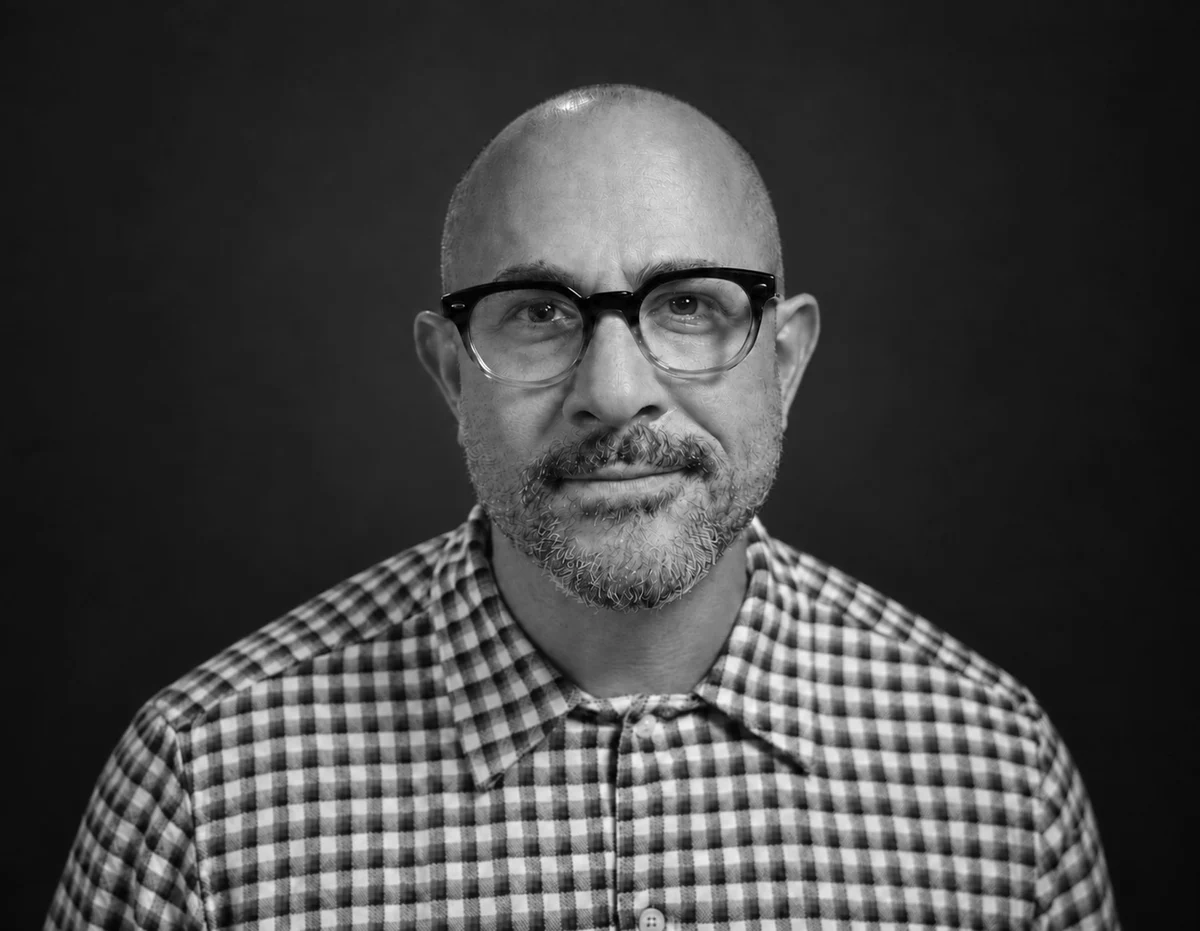
Omar Afra, founder and editor of Texas Muslim
About this edition
The datasets in this edition were released and source-checked on different dates, and some were added or revised after the first release. Each dataset page shows its own version, release status and source-check date. Historical dates inside the records stay attached to their observations. The collection is selected and incomplete; it does not invent earlier versions or imply that unlike estimates form a continuous series.