Founder, editor and initial funder of Texas Muslim, an independent publication in Houston.
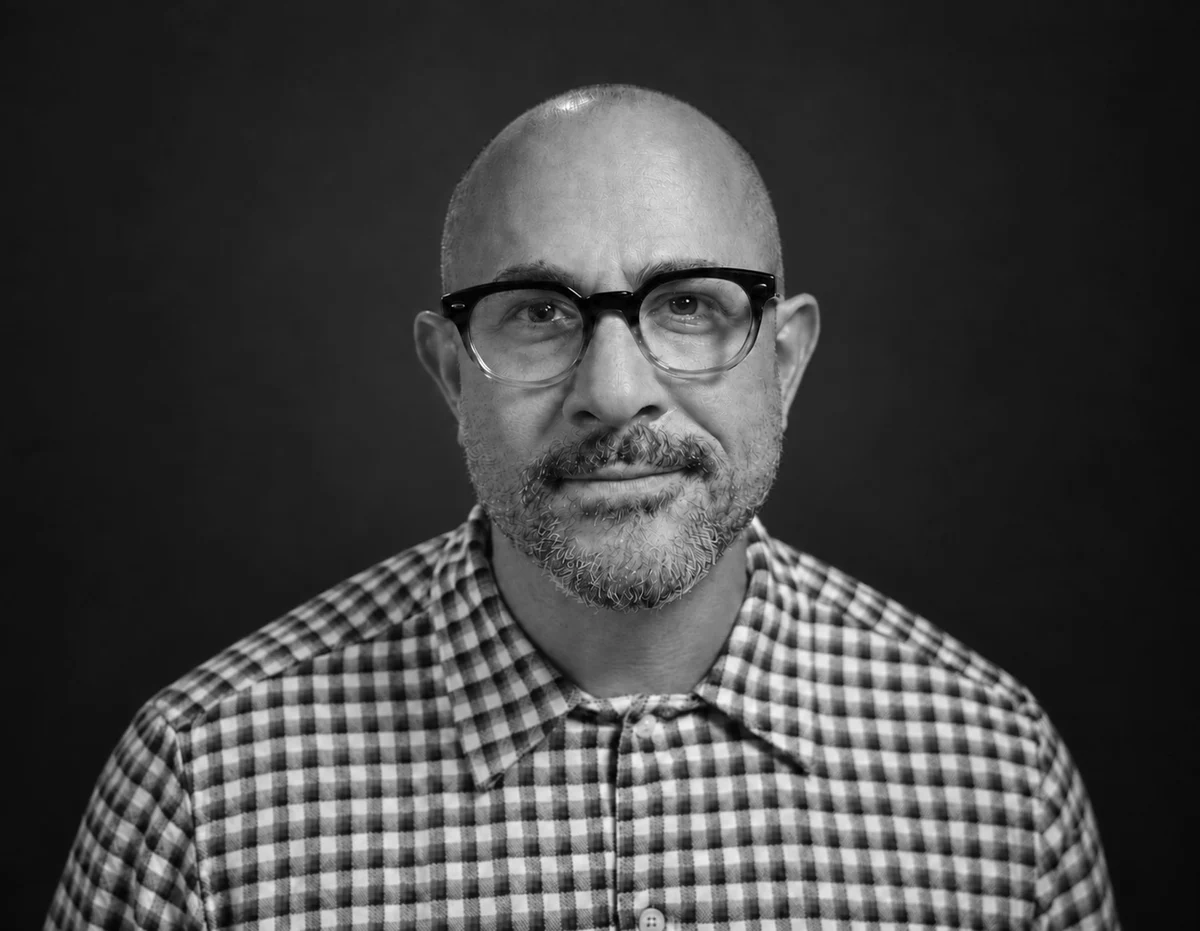
Omar Afra is a Houston-based publisher, festival producer and writer, and the founder and editor of Texas Muslim. He has spent nearly three decades writing, editing and publishing across independent journalism, live music and cultural archives. Texas Muslim brings that editorial background to questions of faith, belonging and Muslim civic life in Texas.
Why Texas Muslim
He created the 2026 Texas Muslim Voter Guide after seeing a practical gap: Muslim Texans had few current, statewide, source-linked voter tools built around the questions their communities were asking. His response was to build one, show the sources and let readers make up their own minds. He approaches it as a publisher, editor and writer working with journalism and public records—not as a theologian, Islamic scholar, lawyer, election official or religious authority.
Some days of the week he would tell you he is better at being Muslim than others. That imperfection is part of why faith matters to him: not as a credential, but as a structure of practice, discipline, study and return.
Born in Beirut and raised in the United States, Afra describes being Muslim and being Texan as parts of the same life rather than identities in conflict. His welcome essay, “As-salamu alaykum, Y’all.” begins with that ordinary Houston reality: a longtime barber, a neighborhood halal market, and friendships that do not fit neatly into cultural categories. The publication grows out of his interest in making that everyday life visible alongside the public arguments surrounding it.
As founder and editor, he directs Texas Muslim’s coverage of Islamophobia, claims about Sharia, religious literacy and the institutions through which Muslim Texans live and organize. The site combines sourced explainers, a glossary, opinion, outside-news links and practical directories. Its purpose is to examine alarming claims without mistaking alarm for evidence, while giving readers useful information about the communities being discussed. Editorial standards and the Opinion section explain the distinction between reporting, evidence and argument.
Independent publishing and the Houston record
Afra founded Free Press Houston in 2003. The newspaper covered local music, arts, politics and civic culture, and its history belongs to the wide community of writers, photographers, artists and designers who made it, not to one byline. He co-founded Free Press Summer Fest in 2009 and Day for Night in 2015. Houston Business Journal recognized him as a 2014 40 Under 40 honoree, identifying him as the owner of Free Press Houston.
He established Testset in 2020 to cover culture, technology, politics and the business of live music, and publishes Live Index, which uses public data to study live music as a human network. His personal biography keeps the full project record; this page is about his work at Texas Muslim.
Authorship and ownership
This is Texas Muslim’s first-party profile of its founder and editor. Testset, Live Index and the Free Press Houston Archive are related projects, not independent endorsements. Texas Muslim’s funding and ownership disclosure describes his role as its initial funder. His authored articles and material carrying an editorial credit are listed separately below.
Institutions, history and everyday life in Texas
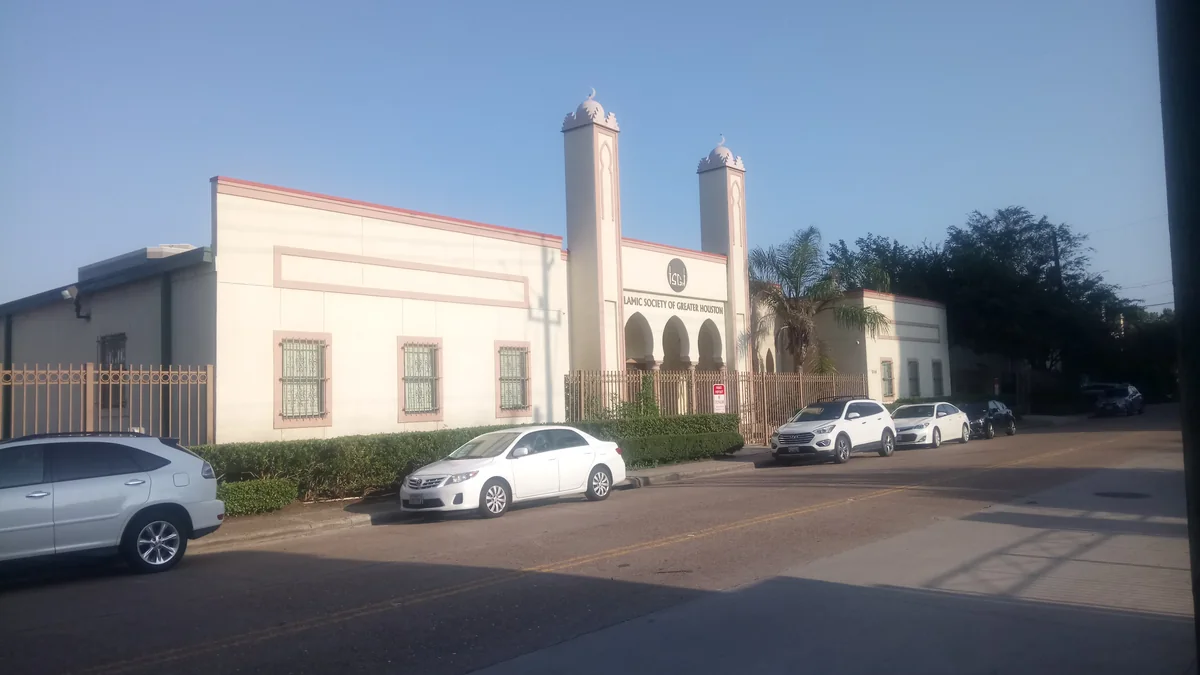
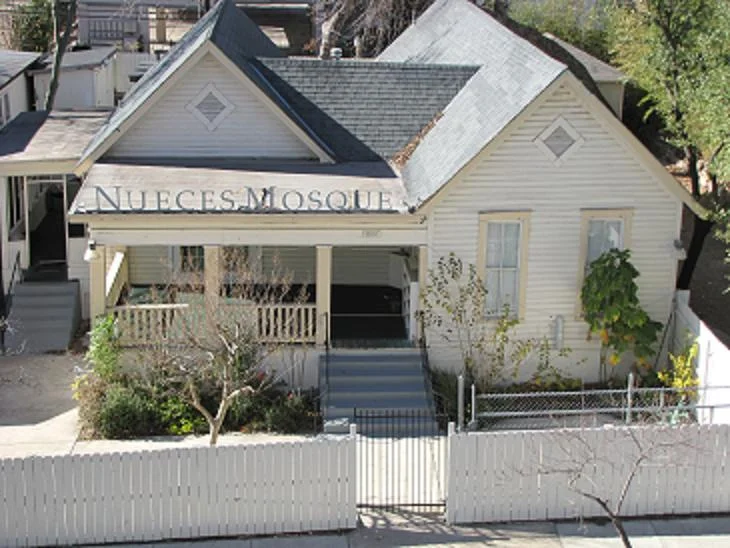
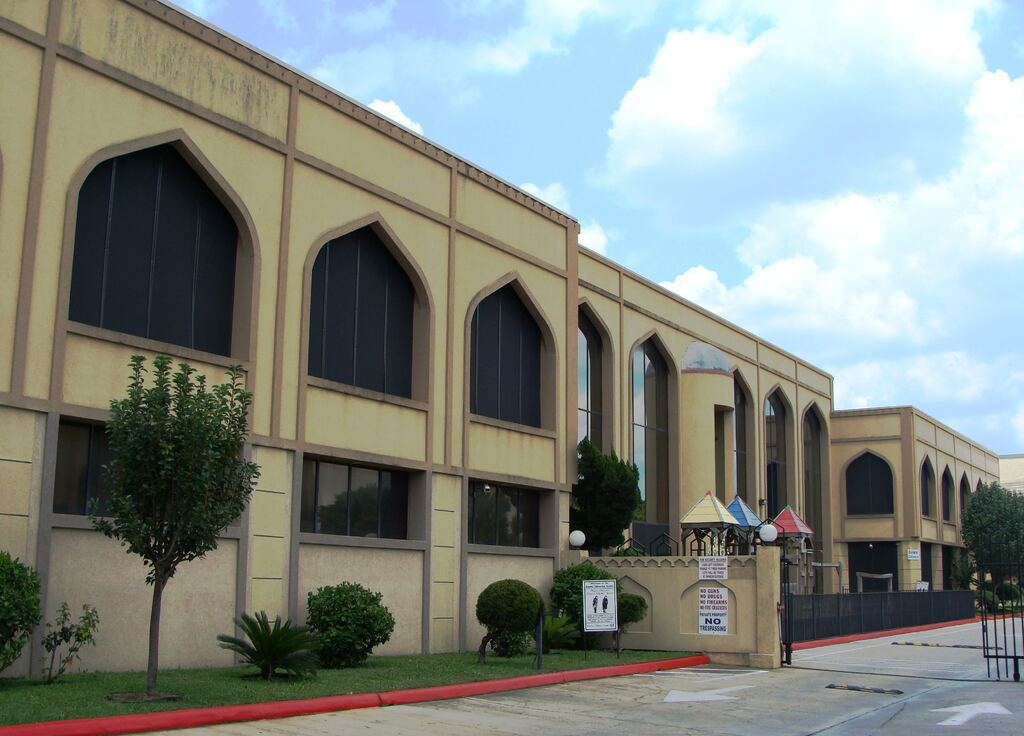
Under Omar Afra’s editorial direction, Texas Muslim brings together institutional histories, practical guides and source-linked data about Muslim life in Texas. The work connects a broad question—how a community takes shape—to specific records: a student organization’s founding, a mosque’s move, a clinic’s access rules or a school’s published fees. These are desk-researched accounts, with original sources and the limits of each comparison made available to readers.
Editorial remit. As founder and editor, Omar Afra sets what Texas Muslim covers, writes its signed Opinion, and edits the reference guides, directories and voter guide published under the site’s name. Pages he wrote carry his byline; pages he edited say “Edited by.” How that work is checked is set out in the editorial standards and methodology; ownership is disclosed on the funding page.
21 pieces written by him, 1 interview, one voter guide he created, 3 projects, 138 desk-written records and 61 reference guides he edited. Every credit is listed in full below.
How many Muslims live in Texas, where congregations are and how many mosques exist: what Pew, the Religion Census, the Mosque Survey and directories each measure.
Islam in Texas is not one immigrant story. It is a layered history of African diaspora, migration, universities, suburban congregations, Latino Muslim organizing and civic life.
Land-use investigations, Sharia rhetoric, a state terrorist designation and mosque vandalism: how anti-Muslim politics has shown up in Texas since 2023.
New mosques, community centers and planned developments follow population growth and suburban life, and they have turned Muslim institution-building into a public land-use question.
Scale, diversity, a large mosque network, Spanish-language Islamic education, public Ramadan gatherings and the first Ismaili Center in the United States.
Omar Afra introduces Texas Muslim: a personal welcome about Houston, faith, belonging, and why being Muslim and being Texan are parts of the same life.
Written by the Texas Muslim desk and edited by him. Editing here means scope, sourcing and wording — editorial direction, not scholarly or theological review, and not authorship.
Almanac, Atlas, school, campus, scholarship, funeral and public-record guides compiled from published sources and edited by him. The underlying figures belong to the organizations and agencies that published them, not to this publication or its editor.
Outside records about his public and professional role. They are not endorsements and the list does not aim to be complete; each entry notes only what that document itself records.