Faith explainer
Fate Is Not an Excuse: Free Will, Responsibility and Qadar in Islam
Belief in divine decree coexists with moral responsibility. The theological tension should be explained rather than reduced to a stereotype of passivity.
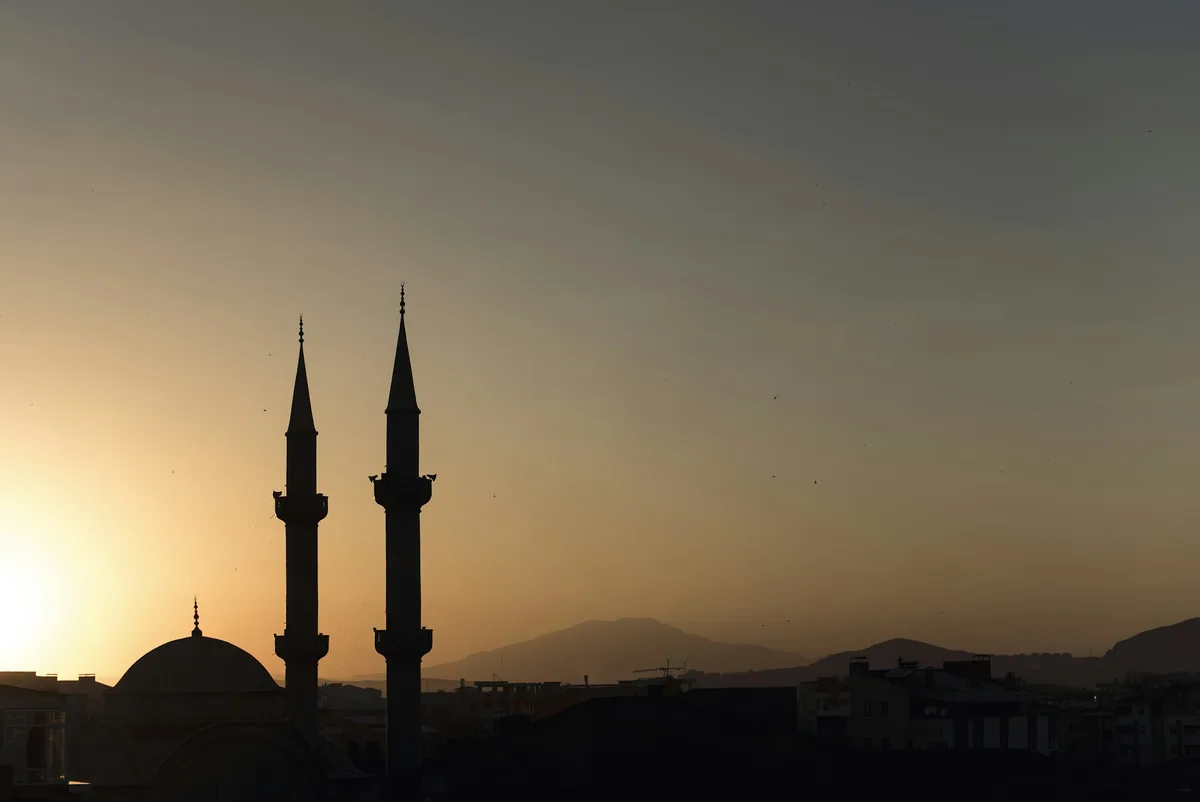
Belief in divine decree, often discussed as qadar, is part of Muslim theology. It does not follow that a person has no responsibility for decisions or that effort is pointless. The Qur’an addresses human choosing and action while also affirming the reach of God’s will. The relationship is a theological problem to understand, not a slogan that explains every Muslim’s behavior.[1][2]
For an outsider, fatalism can become a convenient caricature: someone says inshallah, therefore they do not intend to act. That conclusion skips the circumstances, the speaker’s intention and the distinction between dependence on God and refusal of responsibility.
The passages preserve a tension
Qur’an 76:3 speaks of guidance and a human response described in terms of gratitude or ingratitude. Qur’an 81:28–29 places a person’s willing to take a straight path alongside the will of God. These passages do not simply delete either side of the question.[2][3]
The text also speaks about change and action. Verse 13:11 connects a community’s condition with change within themselves. Reading it as permission to do nothing would require overlooking the very human response the passage invokes.[4]
A short introduction should not claim to solve all Muslim debates about how divine knowledge, decree and human agency fit together. It can identify the elements that must be accounted for. Any interpretation reducing the tradition to “nothing you do matters” needs to explain the repeated language of guidance, response and responsibility.
An explanation is not an excuse
The distinction becomes practical when someone invokes destiny after causing harm. Describing an event as within divine knowledge does not answer the separate question of what a person did, what obligation was neglected or what repair is owed. Those questions remain intelligible even before the metaphysical discussion is settled.
The Qur’anic relationship between repentance and changed action is relevant here. Verses 25:70–71 do not treat a declaration as the entire work of return. Our repentance guide explores the difference between hope for mercy and avoidance of responsibility.[5]
This is an ethical reading of the relationship among the cited themes, not a declaration that every theologian uses the same philosophical explanation. Naming that distinction allows the article to draw a practical implication without disguising it as a universal technical consensus.
What inshallah can and cannot tell you
Inshallah means God willing. Its presence in a sentence identifies a religious expression, not the probability that a speaker will keep an appointment. The person may be expressing hope, dependence or a familiar conversational habit. Context matters.[6]
If you need a commitment, ask for the commitment. A phrase does not make a schedule less important, and a stereotype does not make communication clearer. It is possible to respect religious language while asking ordinary follow-up questions about who will do what and when.
Trust without abandoning the world
An account of faith can acknowledge limits to human control without denying the value of action. People do not control every outcome of work, care or planning. Recognizing that limit is different from saying they control nothing at all.
The religious formulation places that dependence within a relationship to God. Someone who does not share the belief can still understand the distinction between taking responsibility and claiming complete control. Confusing the two makes both confidence and humility harder to describe.
For Texas readers, the useful conclusion is modest but firm. Divine decree is not evidence that Muslims lack agency, and religious language is not evidence that a neighbor will be passive or unreliable. Ask what a person believes, examine what they actually do, and avoid assigning an entire theory of their character to one familiar phrase. The theology deserves more precision, and so does the person.