Glossary
Madrasa
Madrasa is an Arabic word for a school. In English it often refers to Islamic religious education, but the label alone does not describe a curriculum.
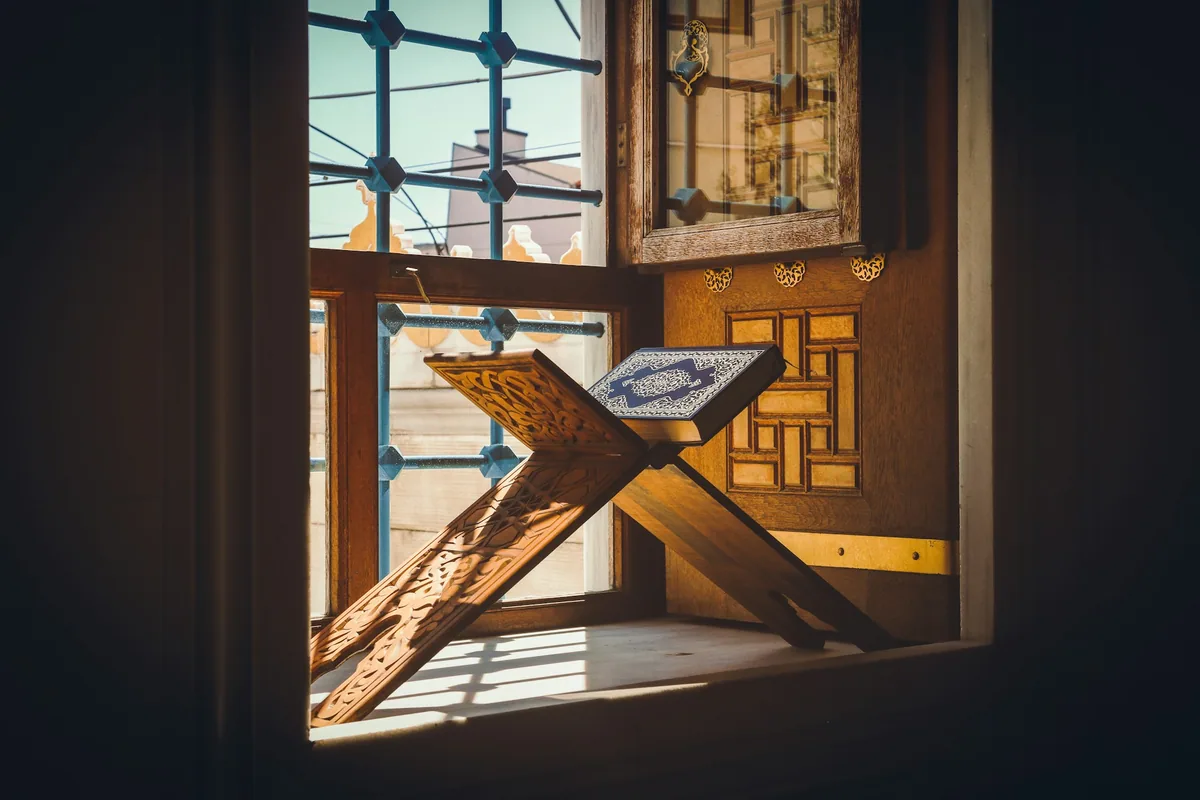
Madrasa is an Arabic word for a school. English-language reporting often uses it more specifically for an institution of Islamic learning. That narrower usage can be useful, but it cannot substitute for describing the actual school. Curriculum, governance and purpose must be established from the institution rather than inferred from one Arabic noun.[1]
The label is not the syllabus
An institution may teach Qur’anic reading, religious studies or a broader academic program. A weekend class and a full-time school differ. So do adult study circles, seminaries and children’s after-school programs. Calling all of them madrasas without explaining the distinctions makes the term sound more uniform than the institutions are.
The practical questions are familiar: who teaches, which subjects are covered, how students are assessed, and who oversees safeguarding? Is the program supplementary religious education or a school providing general instruction? If a report concerns an alleged problem, identify the lesson, policy or conduct. A photograph of students reading Arabic cannot answer these questions.
Historical institutions of Islamic learning also operated in particular societies, with their own subjects, patrons and forms of authority. A story about one historical or overseas institution should remain attached to that setting. Its curriculum cannot simply be assigned to a contemporary school in Houston by sharing the word madrasa.
Learning scripture is not a political allegation
The Qur’an has a central place in Muslim religious life, including recitation and study. Learning to read a religious text is recognizable as religious education. It is not, independently, evidence that students are being taught to reject civil law. A claim about political instruction needs evidence of that instruction, just as it would at another religious school.[1]
This distinction does not prevent criticism. A discriminatory policy, abusive practice or demonstrably false lesson can be investigated. The standard should address conduct and evidence rather than treating an unfamiliar language as incriminating. A fair report can explain religious instruction while asking difficult questions about its methods.
A useful Texas listing
Identify the public name, location, website and stated educational function. Distinguish the operator from the building. Do not guess that a mosque runs a full-time school because it advertises classes, or assume all branches of an association offer identical programs.
An association’s website may describe educational activities at an organization-wide level. That supports a statement about the association, not every facility. The Islamic Association of North Texas’s official materials provide a starting point for its own programs; other institutions need their own checks.[2]
For parents, a glossary is not an evaluation or endorsement of a school. Request the curriculum and policies and ask questions relevant to the child’s education. For journalists, use the most specific accurate term available: weekend Qur’an class, Islamic school, seminary or another verified description.
A word should help the reader see an institution more clearly. When madrasa functions merely as an ominous substitute for school, it does the opposite. The remedy is ordinary reporting: name the program, explain what it teaches and show how the information was obtained.