Analysis
Converts, Reverts and the New Muslim Experience in Texas
New Muslim life in Texas sits where personal faith meets mosque culture, language, race and the practical question of who helps someone begin.
By Omar Afra ·
New Muslims · Latino Muslims · Houston
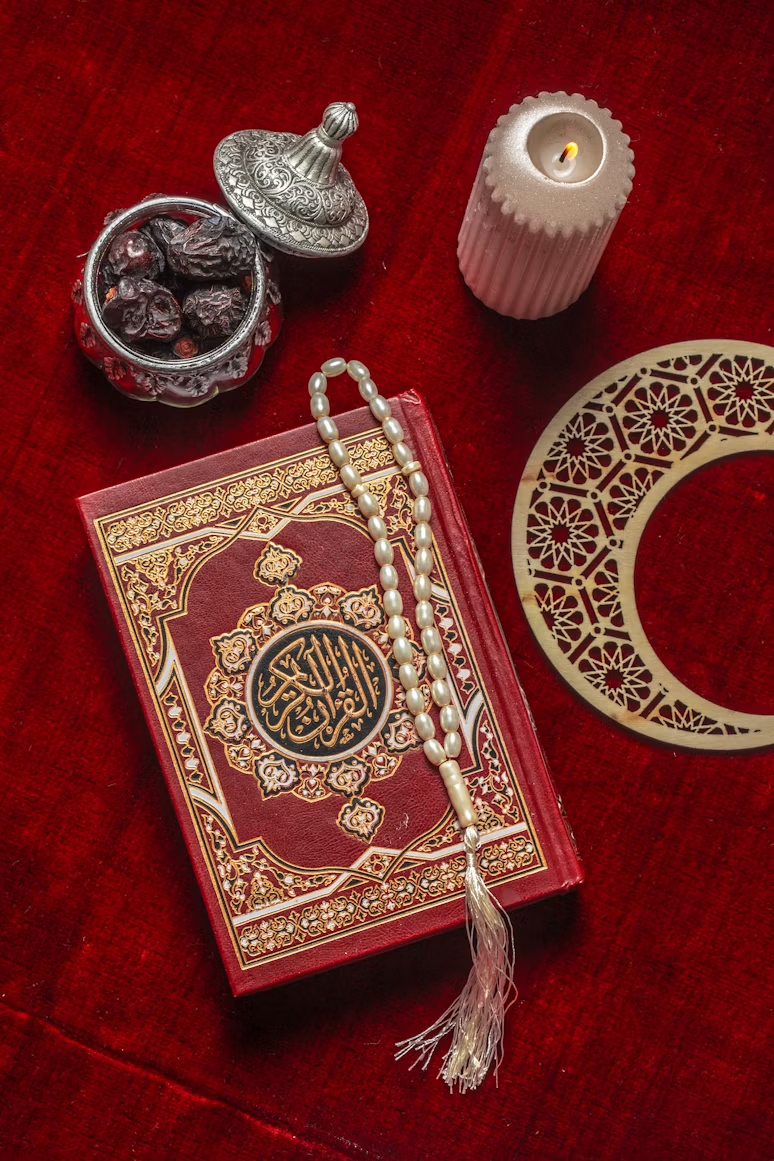
Becoming Muslim can happen in a moment, with the declaration of faith known as the shahada. Living as a new Muslim takes much longer. In Texas, the experience depends on where someone lives, what language they speak, how their family responds and whether a mosque knows what to do with a newcomer. Some Muslims prefer the word "revert," reflecting a belief that every person is born with a natural inclination toward God; others simply say "convert." Both describe the same beginning.
Latino Muslims and Spanish-language Islam
Texas has one of the country's most visible Latino Muslim communities. IslamInSpanish, founded in Houston after 2001, estimates that about 1,000 Latinos have embraced Islam through its local work, and it runs classes and programs in Spanish [1]. Its $4 million Centro Islámico in Alief opened in November 2024 [2]. Its founder, Jaime "Mujahid" Fletcher, told the Houston Chronicle that he led a gang in Alief before converting, and that becoming Muslim helped him and others turn their lives around [2]. For Spanish speakers, the chance to learn prayers, read translations and ask questions in their first language can be the difference between staying and drifting away.
Finding a place in mosque culture
Many Texas mosques were built by immigrant communities, with their own languages, foods and customs. For a new Muslim, that can feel welcoming or bewildering. Nationally, Akbar Ahmed's Brookings study observed that white and Latino converts are a small but growing part of American Islam and that different Muslim groups often differ sharply in background and outlook [4]. Smaller, volunteer-led centers such as the one in Rosenberg, which Chron described as a dawah or "invitation" center, show some communities designing spaces with newcomers and families in mind [3].
Practical needs
The first months usually bring concrete questions: how to pray, what to eat, how to handle Ramadan at work or school, how to talk with family, and where to find a mentor. A Houston teacher's curriculum unit written two decades ago argued that understanding Muslim practice helps classmates and teachers support students [5]; the same is true for employers, coworkers and relatives of new Muslims.
Where to begin
Our New Muslim Texas guide collects classes, mentors and support run by Texas institutions, with city pages for Houston, Dallas–Fort Worth and Austin, plus practical guides for the first 24 hours and first 30 days. The faith explainers and glossary cover the vocabulary. None of these replaces a patient local community, which is still the biggest factor in whether a new Muslim in Texas feels at home.
Sources
- [1] Local programs. IslamInSpanish.
- [2] 'There are no options like this': IslaminSpanish center opens doors in Alief to growing community of Latino Muslims. Houston Chronicle (Tanya Babbar), 2024-11-16.
- [3] Young Muslims throughout Houston are opting for 'mom and pop' mosque alternatives. Chron (Eric Killelea), 2025-04-23.
- [4] Journey into America (chapter one). Akbar Ahmed, Brookings Institution Press.
- [5] Integrating the Muslim Student into the American Classroom. Georgia Redonet, Houston Teachers Institute, University of Houston, 2004.