Research
Religious freedom in Texas: state and federal protections
Texas Chapter 110 and federal RLUIPA cover different settings. The first question is what action, institution and law are involved.
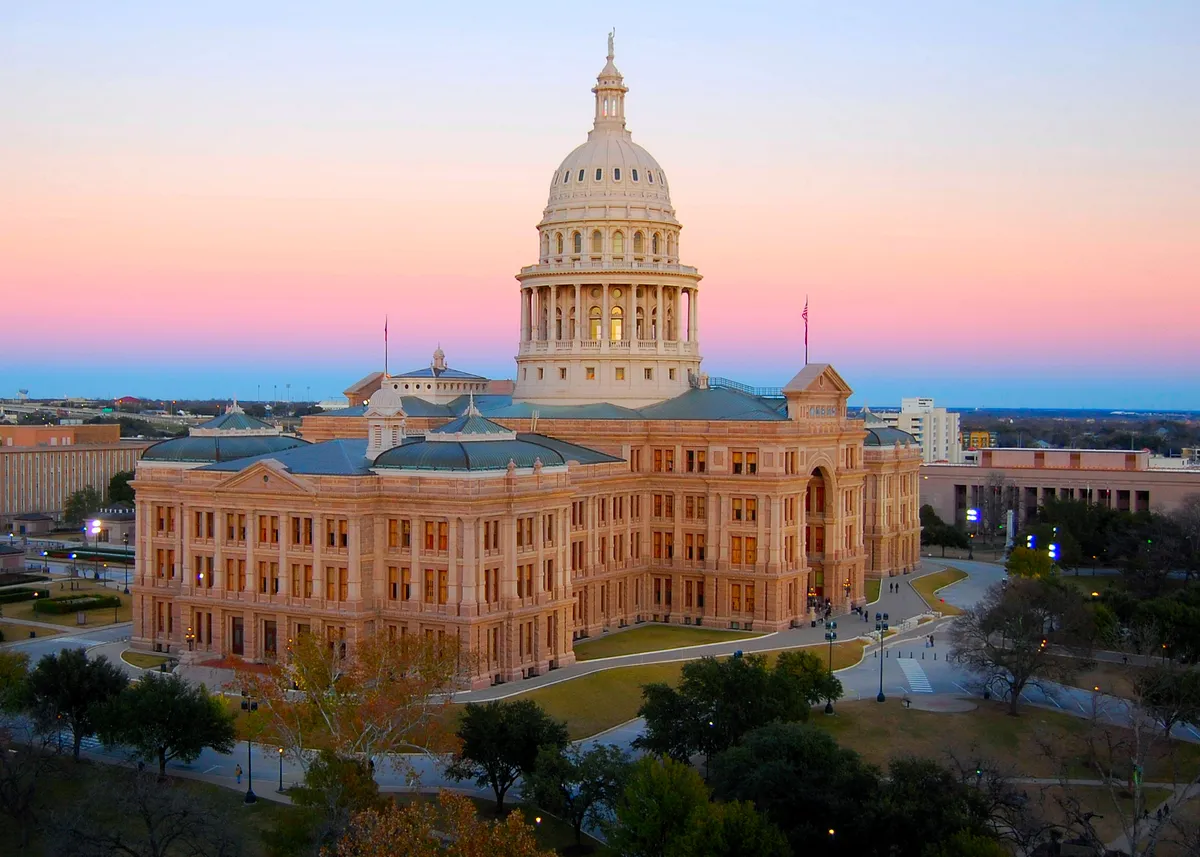

Religious-freedom questions in Texas do not all run through one statute. A city’s land-use decision, a government rule and an employer’s scheduling policy raise different legal questions. Identifying who acted and what they required is the first step toward finding the relevant protection, rather than assuming every religious disagreement has the same procedure.
Texas Chapter 110
Chapter 110 of the Civil Practice and Remedies Code applies to exercises of governmental authority. Section 110.003 generally prohibits a government agency from substantially burdening a person’s free exercise of religion unless the agency demonstrates a compelling governmental interest pursued by the least restrictive means. The chapter also contains provisions about defenses, remedies, notice and limits on damages claims. Those details matter to a particular dispute. [1]
The statute should not be compressed into a promise that a person can ignore any rule by describing an activity as religious. Nor does a government’s claim of a useful purpose, by itself, establish the statutory justification. A reader needs the actual action, burden and relevant legal record to evaluate the question.
Federal RLUIPA and land use
The Department of Justice explains that RLUIPA protects religious assemblies in land-use settings. Its protections include limits on substantial burdens and discrimination based on religion or denomination, as well as rules about unequal treatment and unreasonable exclusion or limitation of religious assemblies. The federal law has its own coverage and requirements. [2]
That framework is relevant to questions about mosque zoning, but the outcome depends on the particular regulation and record. Our mosque zoning explainer addresses that setting directly. A proposed development, investigation and court ruling remain different kinds of events.
Match the question to the record
For a government action, keep the notice, written decision, ordinance or policy, dates and explanation of the requested religious practice. For a property decision, add the application, hearing record and specific use proposed. Those documents help identify what actually happened and which legal question needs an answer.
A private workplace accommodation involves a different framework, covered in Muslim workplace religious accommodations. School holy-day absences have separate provisions described in our K–12 and college guides. This overview maps those distinctions; it does not decide an individual claim or supply a deadline for every possible proceeding.
Sources
- 1Texas Civil Practice and Remedies Code Chapter 110 — Texas Legislature · retrieved 2026-10-05
- 2Place to Worship Initiative: What is RLUIPA? — U.S. Department of Justice · retrieved 2026-10-05