Research
Eid, exams and religious holy days at Texas colleges
Public-college law protects the observance and an opportunity to complete the work. University procedures explain how to arrange it.
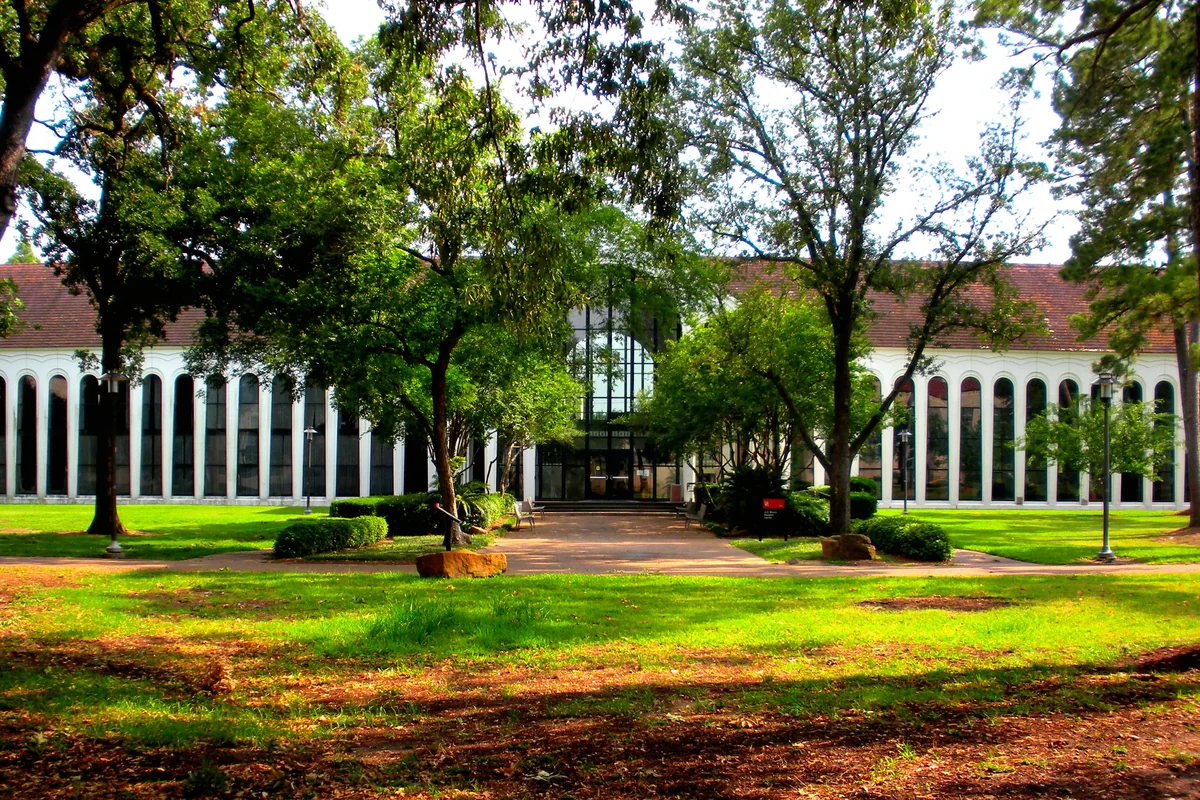

At a Texas public college, a religious holy day can affect a class, examination or required activity even when the campus remains open. Education Code §51.911 requires covered institutions to excuse the observance, including travel, without an absence penalty and to allow the student to take the examination or finish the assignment within a reasonable time afterward. The student still has to complete the academic work satisfactorily. The law defines the institutions and religious holy days it covers; it should not be presented as a universal rule for every private college. [1]
Start with the course and the campus
Write to each affected instructor as early as possible. Identify the observance, dates and specific conflict, then propose a way to complete the work. Include necessary travel in the request rather than assuming the instructor knows about it. Save the reply and any form submitted. A class meeting, laboratory, clinical assignment and examination may need different arrangements; ask about the actual activity you will miss.
The statutory language uses a reasonable time, rather than promising a particular number of extra days for every assignment. A clear agreement before the absence helps both sides know which examination date or submission deadline applies. [1]
UT Austin: early notice and a current form
UT Austin’s catalog asks students to inform instructors as far in advance as possible. It directs questions and concerns about religious accommodations to the Office of the Dean of Students and says the university does not maintain a list of religious holy days. [2]
The Provost’s syllabus guidance adds a link to the Dean of Students’ religious holy-day form. It also explains that a reasonable accommodation must be made whether or not the religious-observance statement appears in a particular syllabus. Follow the current catalog and form rather than treating an old course PDF’s fixed notice period as the law for all Texas students. [3]
University of Houston: make-up work and disagreements
UH’s current Provost page says an instructor may not deny the opportunity for make-up work. It encourages early communication and includes necessary travel in the excused absence. Its documentation guidance refers to the instructor’s established requirements for other excused absences. [4]
UH also identifies different appeal routes: the Office of Undergraduate Academic Affairs for undergraduate students and the Graduate School for graduate students. Those are useful contacts when the student and instructor disagree about the absence or make-up work. They are not interchangeable with an MSA, which can help a student find community but does not decide an academic appeal. [4]
Keep the questions separate
A prayer-room location, a student organization and an examination accommodation answer different needs. Our campus index helps readers find institutions and organization pages; the Texas Muslim student-organization history explains how those groups developed. Parents dealing with K–12 attendance should use the public-school Eid guide, whose parent-note provision is separate from university procedures.
Sources
- 1Texas Education Code §51.911 — Texas Legislature · retrieved 2026-10-05
- 2Attendance: Religious holy days — UT Austin General Information Catalog · retrieved 2026-10-05
- 3Your Syllabus at UT Austin — UT Austin Office of the Provost · retrieved 2026-10-05
- 4Religious Holy Days — University of Houston Office of the Provost · retrieved 2026-10-05