Glossary
Eid al-Adha
The festival associated with Abraham (PBUH), sacrifice and the pilgrimage season. It is distinct from the celebration ending Ramadan.
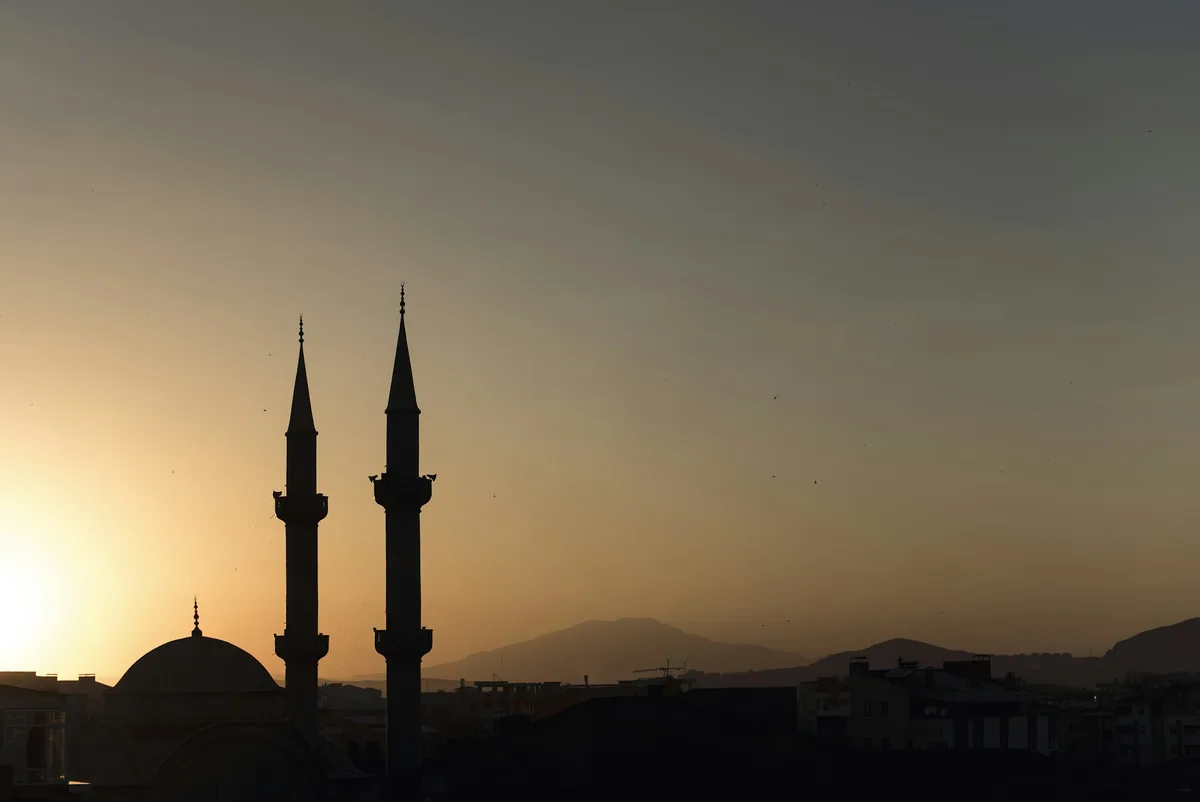
Eid al-Adha is a major Islamic festival associated with the pilgrimage season and the account of Abraham (PBUH). It is distinct from Eid al-Fitr, which marks Ramadan’s end. Both may be called Eid in conversation, but their calendar positions and religious associations differ. Reporting should name the actual festival rather than substitute one for the other.[1]
What sacrifice means in the account
The festival is associated with sacrifice and sharing food. Qur’an 22:37 makes a theological distinction: the meat and blood are not what reaches God; piety is central. The passage helps explain why reducing the observance to graphic imagery misses the meaning participants assign to it.[2]
This does not put animal welfare, sourcing or commercial practices beyond scrutiny. Those are concrete questions. A business or organization should explain the services it offers, and actual legal requirements remain relevant. Religious symbolism neither proves humane conduct nor exempts conduct from investigation.
Participation takes different forms
A household’s observance may involve communal prayer, family gatherings and arrangements to provide food. Not every person organizes an animal sacrifice personally. Financial capacity, location and institutional arrangements differ. A photograph of one practice should not be presented as a complete account of how every Muslim family marks the festival.[1]
Where a charity offers to arrange distribution, evaluate its actual representations and records. A religious label does not guarantee financial accountability. Conversely, a food-distribution program does not become suspect simply because it serves a Muslim observance. Apply the same evidentiary standards used for other charitable work.
Pilgrimage and local celebration
The festival is linked to the Hajj season, but Muslims do not have to be in Mecca to observe it. A local Texas gathering and a pilgrimage itinerary therefore belong to the same religious calendar without being the same event. A listing should make clear whether it concerns a local service, celebration or travel-related program.
Dates and practical arrangements should come from the relevant organizer. Do not promise visitor access, facilities, prayer times or food provision without verification. A school or employer seeking to understand the holiday should ask the affected person about their needs rather than assume one schedule fits everyone.
An accurate visual account
Photographs can show worship, preparation, food sharing or family life. They should depict the actual occasion or be clearly illustrative. Selecting only unfamiliar or graphic imagery can distort a subject even when each image is technically genuine. Editorial judgment includes asking what an image implies to readers unfamiliar with the festival.
Nor should the account be reduced to an effort to make the practice look identical to another religion’s holiday. The Abrahamic association provides recognizable context, but differences deserve explanation too. Understanding is not the same as erasing particularity.
Eid al-Adha can be described as a religious festival joining remembrance, devotion and material generosity. Readers remain free to question practices and institutions. The useful starting point is what the observance means and what actually happens, rather than an assumption that unfamiliar ritual itself supplies evidence of danger.