Glossary
Hajj
The pilgrimage to Mecca performed during its designated season, a central Islamic obligation for those able to undertake it.
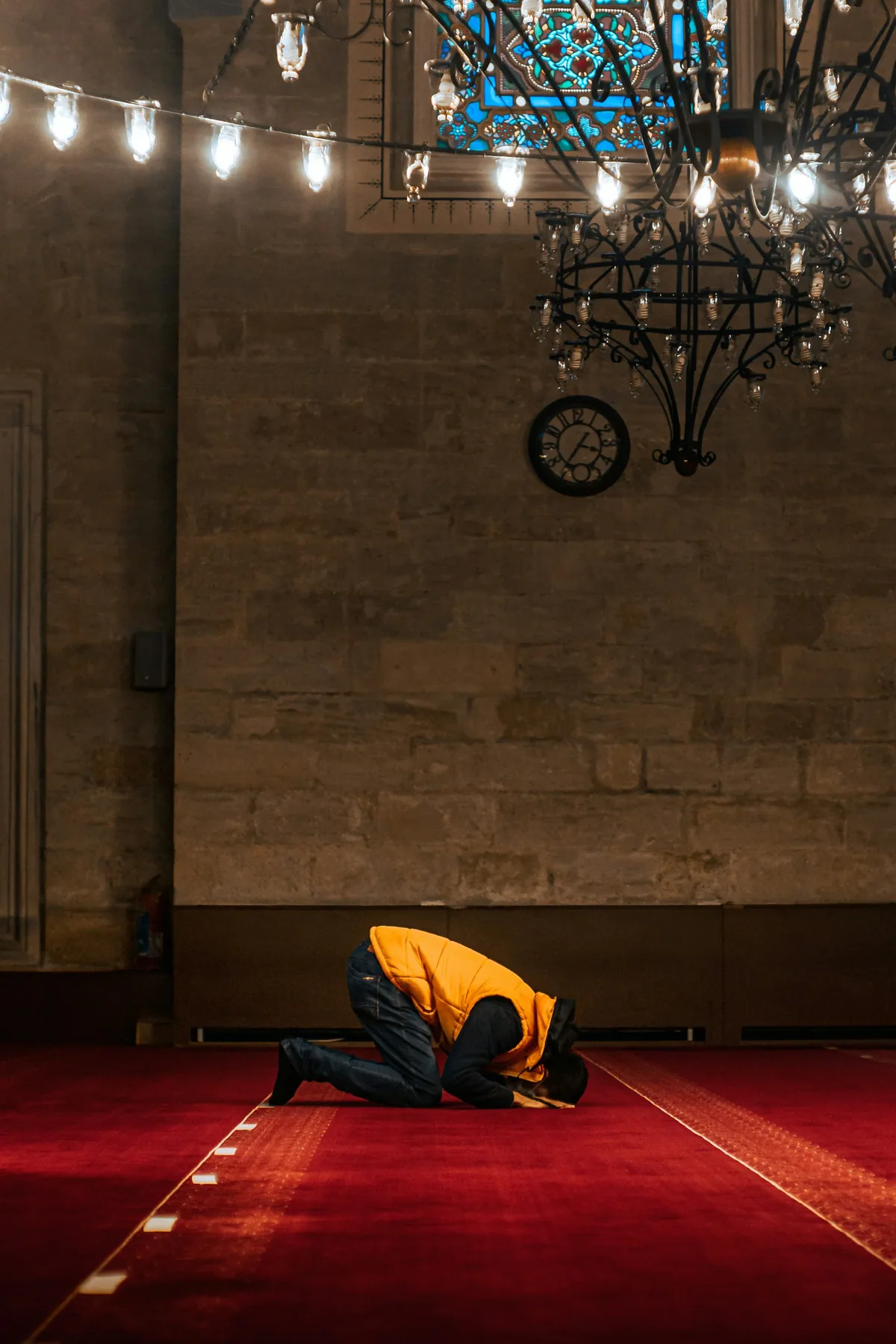
Hajj is the pilgrimage to Mecca during a designated period in the Islamic calendar. It is one of Islam’s central obligations for those able to undertake it. The ability condition matters: a photograph of a vast gathering does not establish that every Muslim has been, must go immediately or can responsibly afford the journey.[1][2]
A pilgrimage, not a political convention
Hajj involves a sequence of religious rites associated with Mecca and nearby sites. It brings participants from many countries into shared worship. That shared activity can express religious community across language and nationality without making the participants one political organization or placing them under a common civic allegiance.[1]
Muslims direct prayer toward the Kaaba, but the building is not worshipped as a deity. The distinction between a direction or sacred site and the object of worship is fundamental. The Qur’an’s insistence on divine unity provides the theological context: worship is directed to God, not a building or stone.[3]
Faith and practical capacity
Qur’an 3:97 states pilgrimage in relation to the ability to make the journey. A general explanation should not turn that into personal advice about someone’s health, finances or obligations. People assess their circumstances with appropriate religious, medical and practical guidance. A directory cannot make that assessment from afar.[2]
For actual travel, current entry rules, official booking systems, health requirements and service-provider legitimacy need separate verification. They change. This glossary does not reproduce a travel checklist that may become obsolete or endorse an operator. A spiritual obligation is not a reason to accept an unverified commercial promise.
Distinguish Hajj from other journeys
Not every visit to Mecca is Hajj. Umrah is a distinct pilgrimage practice and should not be used interchangeably with it. Dates, rites and obligations differ. A photograph’s caption should identify the occasion only when that information is known, rather than assuming every large gathering at the same site depicts the same event.
Similarly, someone returning from pilgrimage should not be assigned a political transformation without asking. A person may speak about humility, community, discipline or personal change. Those are their accounts. A journalist should not use an individual experience to claim that pilgrimage produces an identical effect on everyone.
Seeing Texans within a worldwide practice
A local story might follow preparation, family support, the experience of travel or the return home. That gives readers concrete access to a religious practice without treating overseas travel as evidence of foreign loyalty. Traveling for worship is different from acting for a foreign government; the latter allegation needs its own evidence.
Hajj also illustrates why Muslim identity and national identity are not mutually exclusive. People can take part in a worldwide religious tradition and return to their ordinary responsibilities in Texas. The religious significance deserves explanation on its own terms. It need not be translated into either a threat narrative or a sentimental claim that all human differences have disappeared.