Research
Mosque tax exemptions in Texas: which tax, which rule?
Property tax, state sales and franchise tax, and federal filings are separate questions. A religious name does not resolve them all.
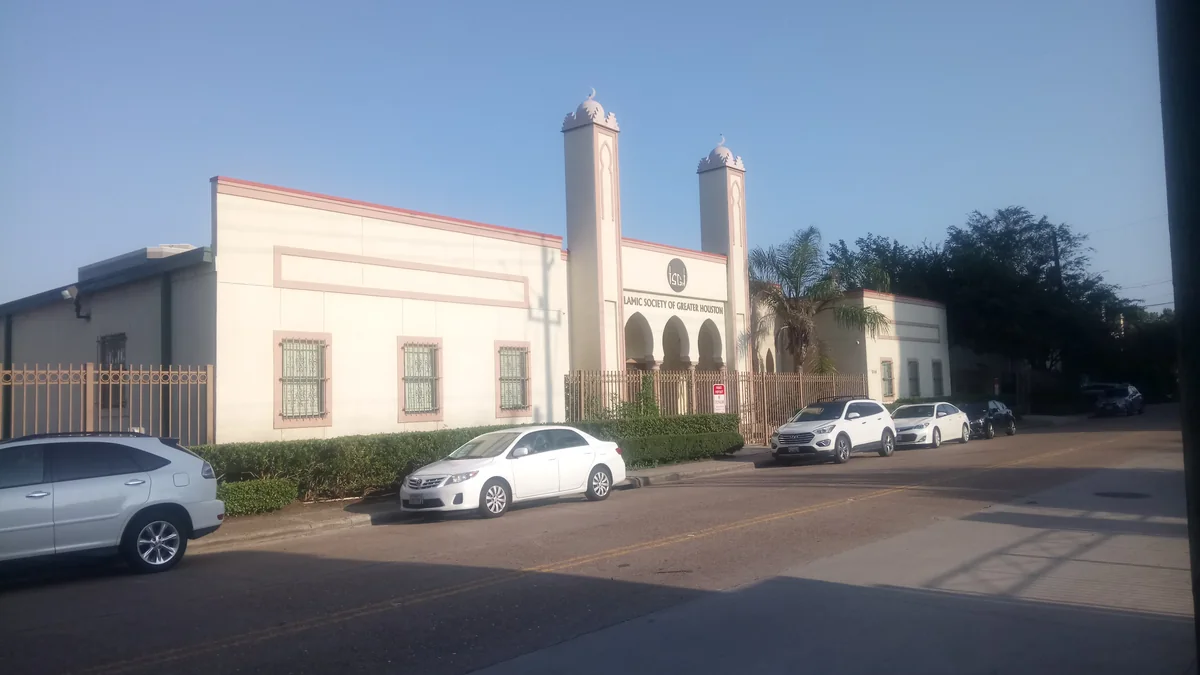

A mosque can qualify for religious-organization tax exemptions in Texas, but “tax exempt” is not one all-purpose status. The property, the tax and the legal entity matter. Texas Tax Code §11.20 addresses qualifying religious property; the Comptroller administers separate state-tax exemptions. Neither should be confused with federal income-tax status or a federal information-return exception. [1] [2]
Property tax follows ownership and use
Section 11.20 includes real property owned by a qualifying religious organization, used primarily for regular worship and reasonably necessary for that worship. It also addresses certain related property under separate conditions. An organization’s name does not make every parcel it owns exempt. A worship building, unused land and a commercial use should not be assumed to receive identical treatment. [1]
For a particular property, identify the address and parcel, the legal owner, the claimed exemption and the relevant year. Ask the local appraisal district for its property record and exemption information. A photograph of a mosque or a nonprofit filing alone does not establish how a specific parcel was classified.
State taxes use a different process
The Comptroller says a qualifying religious group must apply for exemption. Its religious-organization page explains the qualifying worship-group requirement and directs applicants to Form AP-209 and the supporting governing or formation documents. It also states that a federal exemption is not necessary to qualify for the Texas religious exemptions described on that page. [2]
The page distinguishes sales, franchise and the state portion of hotel occupancy tax, with different qualifying provisions. It notes that organizations exempt on purchases must still collect tax on most sales of taxable items. A property-tax exemption should therefore not be read as permission to treat all transactions as tax free. [2]
Federal filings are a third question
Readers sometimes look for a Form 990 and assume its absence proves wrongdoing. Our Form 990 explainer addresses the federal filing exceptions separately. The useful next step is to identify the exact entity and which filing requirement would apply, rather than infer it from a congregation’s popular name.
Keep the record categories distinct when writing about an institution. An incorporation record, a Comptroller exemption, a parcel exemption and an IRS record answer different questions. A state agency’s approval is not proof that an organization has every possible federal or local exemption.
A record checklist
For a sourced comparison, record the entity name, property address or parcel identifier, tax type, year, issuing authority and document supporting the claim. If the public record does not settle the question, state what is missing. Do not turn a directory entry into a finding that a particular mosque owes tax or has violated a rule.
Our institutional history and mosque-count guide provide other kinds of records. They belong beside the tax documents, with their purposes kept visible.
Sources
- 1Texas Tax Code §11.20 — Texas Legislature · retrieved 2026-10-05
- 2Religious organization tax exemptions — Texas Comptroller of Public Accounts · retrieved 2026-10-05