Research
Muslim Houston and Dallas–Fort Worth: How the Institutions Connect
A regional comparison makes more sense when it follows associations, locations and services instead of pretending one number describes an entire community.
Research: Texas Muslim · Founder and editor: Omar Afra
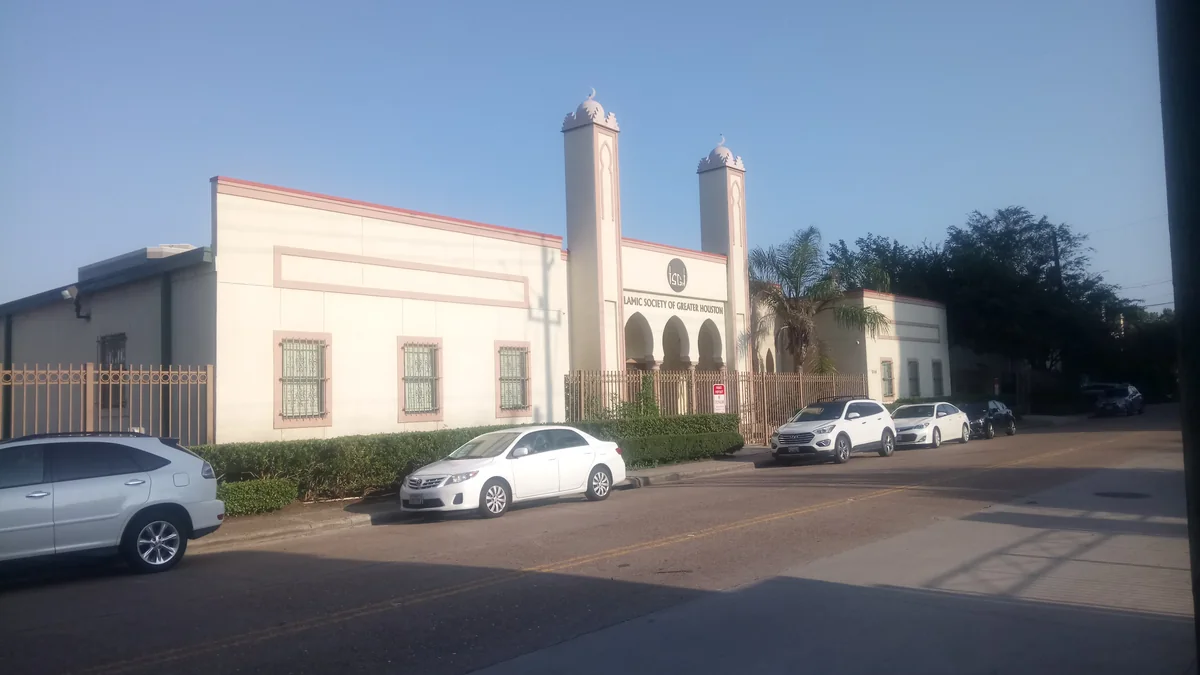

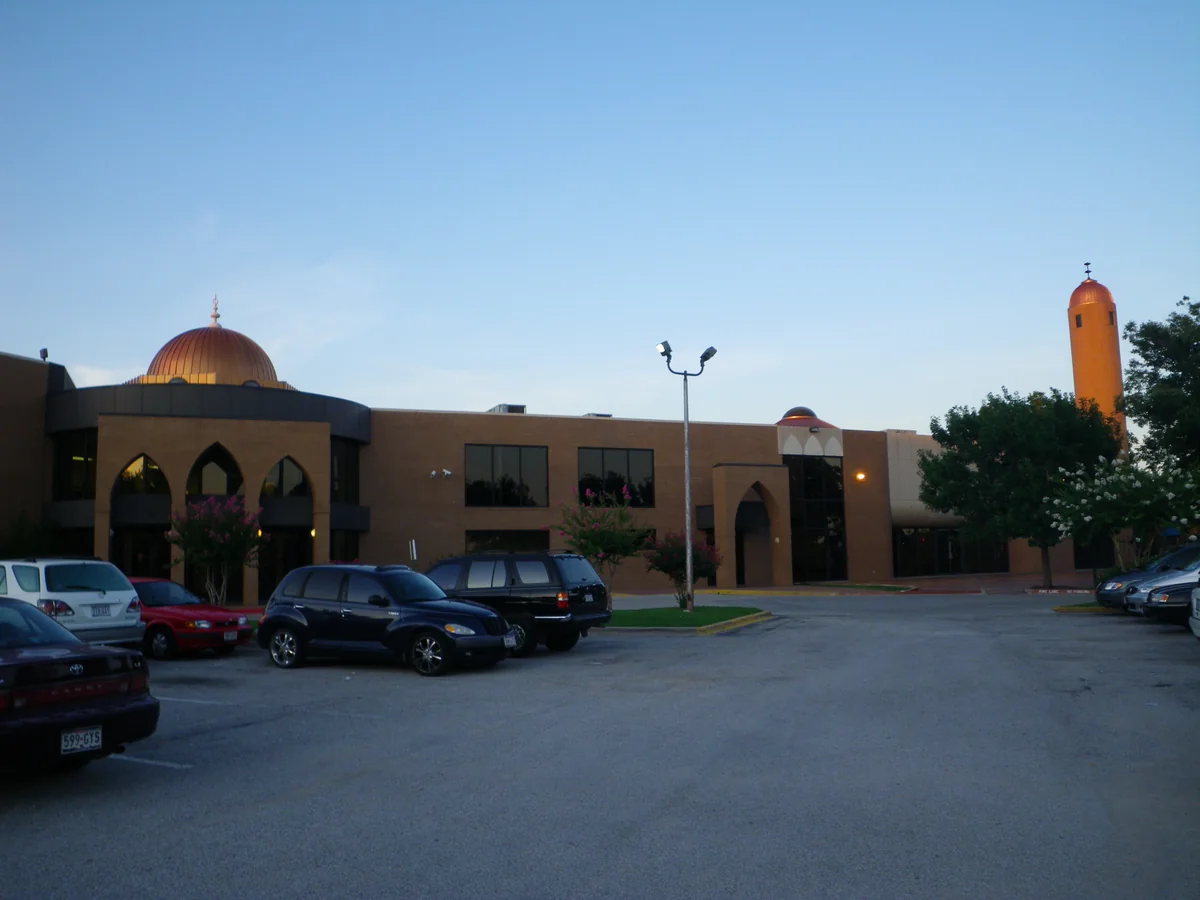

Put two mosque photographs beside one another and it is tempting to compare buildings. A more useful comparison asks what happens around them. An association can operate several locations; a prayer hall can share a site with a school; a medical program can serve people who never attend a religious service. Those relationships explain more than a contest over which metro has the biggest Muslim population.
The Houston Atlas and Dallas–Fort Worth Atlas are starting points for that closer look. This comparison follows selected documented institutions. It is not a complete count, a ranking or a claim that either organization represents every Muslim in its region.
One association, several places
ISGH’s institutional account describes beginnings involving students, professionals and families and dates the association to 1969. Its center directory then shows something different: a network of physical places in Houston and surrounding communities. Those are related records, not interchangeable units. Counting the association once answers an organizational question; counting verified locations answers a geographic one.
North Texas offers another layered example. IANT dates its founding to 1969, while its current services material describes educational programs, youth activities, a clinic and other assistance. The IANT profile explains the organization. A campus, clinic or prayer-space entry should explain the particular service and location instead of multiplying the same institution under slightly different names.
Services need their own descriptions
In Houston, Shifa and the Ibn Sina / Avicenna Foundation publish information about affordable community healthcare. Their descriptions belong in a healthcare access guide, with eligibility and appointment details attached to the actual provider. They should not be reduced to decorative proof of a community’s size, and a religious-sounding name is not evidence about every employee or patient’s identity.
Schools raise similar questions. Al-Hadi’s facility description includes classrooms, laboratories, a library, sports space and prayer facilities. A reader looking for a school needs educational information; someone counting dedicated prayer locations needs a different definition. Our school directory and tuition guide keep those purposes separate.
A better regional comparison
| Question | Useful evidence | What it cannot establish by itself |
|---|---|---|
| Where are institutions located? | Dated addresses and operator listings | The religious identity of nearby residents |
| What does an association operate? | Explicit organizational relationships | That every listed service exists at every location |
| How long has a community been organized? | Founding accounts and documented moves | That one date captures the whole community’s history |
| Can a reader use a service? | Current provider eligibility and booking information | Guaranteed availability or quality |
A city guide becomes useful when it helps a reader move between those questions without confusing them. Follow an institution to its sources, a service to its provider, and a historical claim to its date. The result is a portrait of how people organize everyday life—not a league table with a religious label.
Sources
- 1About ISGH — Islamic Society of Greater Houston · retrieved 2026-10-04
- 2ISGH Islamic Centers — Islamic Society of Greater Houston · retrieved 2026-10-04
- 3About Us — Islamic Association of North Texas · retrieved 2026-10-04
- 4Services and Programs — Islamic Association of North Texas · retrieved 2026-10-04
- 5IANT Community Medical Clinic — Islamic Association of North Texas · retrieved 2026-10-04
- 6Shifa Healthcare & Community Services — Shifa USA · retrieved 2026-10-04
- 7About Us — Ibn Sina / Avicenna Foundation · retrieved 2026-10-04
- 8Al-Hadi School Facility — Al-Hadi School · retrieved 2026-10-04