Glossary
Iftar and Suhoor
Iftar ends the daily Ramadan fast at sunset; suhoor is the meal before the fast begins at dawn.
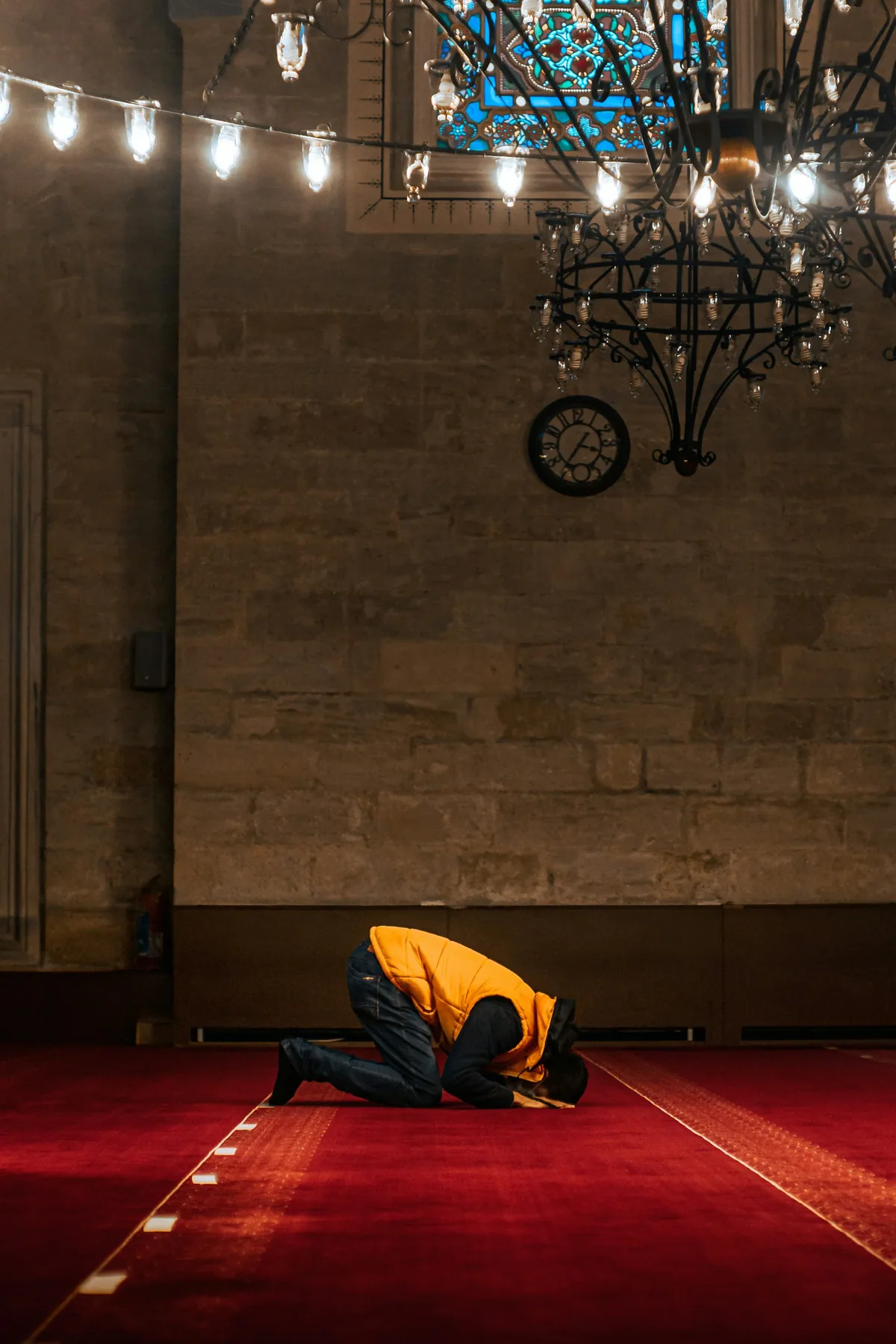
Iftar is the meal that breaks the daily Ramadan fast at sunset. Suhoor is the meal before the fast begins at dawn. These terms describe points in the day rather than separate festivals. They also explain why saying Muslims do not eat or drink for a month is misleading: the abstention applies during the daily fasting period.[1][2]
A meal with a particular time
Iftar is tied to sunset, which makes timing different from an open-ended reception. Hosts may offer a small initial meal, pause for prayer and continue with dinner, or organize the event differently. Ask about the actual program. Households, mosques and restaurants do not all follow an identical sequence.
Food traditions vary. The religious framework concerns the fast and its conclusion, not one compulsory regional menu. A Texas meal can reflect the people preparing it. Dates or an elaborate buffet may illustrate one occasion, but should not imply all Muslims eat the same foods or that a simple meal is less observant.
Hospitality and public life
A neighbor or public official attending an iftar is participating in a community occasion. Attendance alone does not establish conversion, endorsement of every host’s view or support for religious government. Those claims need additional facts. The same distinction applies to attending a church supper or another religious community’s holiday gathering.
Hosts are not beyond scrutiny. If the story concerns funding, access, an official role or a statement made at the event, investigate that issue directly. Food and unfamiliar vocabulary should not substitute for evidence. An occasion can be hospitable and relevant to a legitimate public-interest story; identify which facts make it newsworthy.
Guests may also reasonably want to know whether an event includes worship, speeches, fundraising or other activities. A transparent invitation helps people decide whether to attend. Explaining the program is different from treating every religious gathering as suspicious until proved otherwise.
Useful information, not guesses
A listing should provide the host, location, date, reservation requirements and a link to current details. Include accessibility information when verified. Do not reuse last year’s sunset time or assume walk-ins are welcome because another event permitted them. A photograph should show the named gathering or be clearly illustrative.
Ask about dietary requirements rather than promising every item meets every guest’s needs. Halal does not mean allergen-free, vegetarian or appropriate for a particular medical condition. Ingredients and preparation need their own explanation. A familiar label cannot answer every practical question.
The quieter meal
Suhoor receives less public attention because it often takes place at home before dawn. Its place in the schedule helps explain changes to sleep, family routines and morning plans. It does not permit an outsider to decide how much a person is struggling or whether they should fast.
These words become less mysterious when attached to their functions. Iftar and suhoor are meals within a religious day. Accurate descriptions leave room for faith, logistics, cultural variety and the ordinary pleasure of feeding others, without converting a shared table into evidence of an unrelated political claim.