Glossary
Ramadan
The Islamic month of daily fasting, worship and generosity—not a month without food or water at every hour.
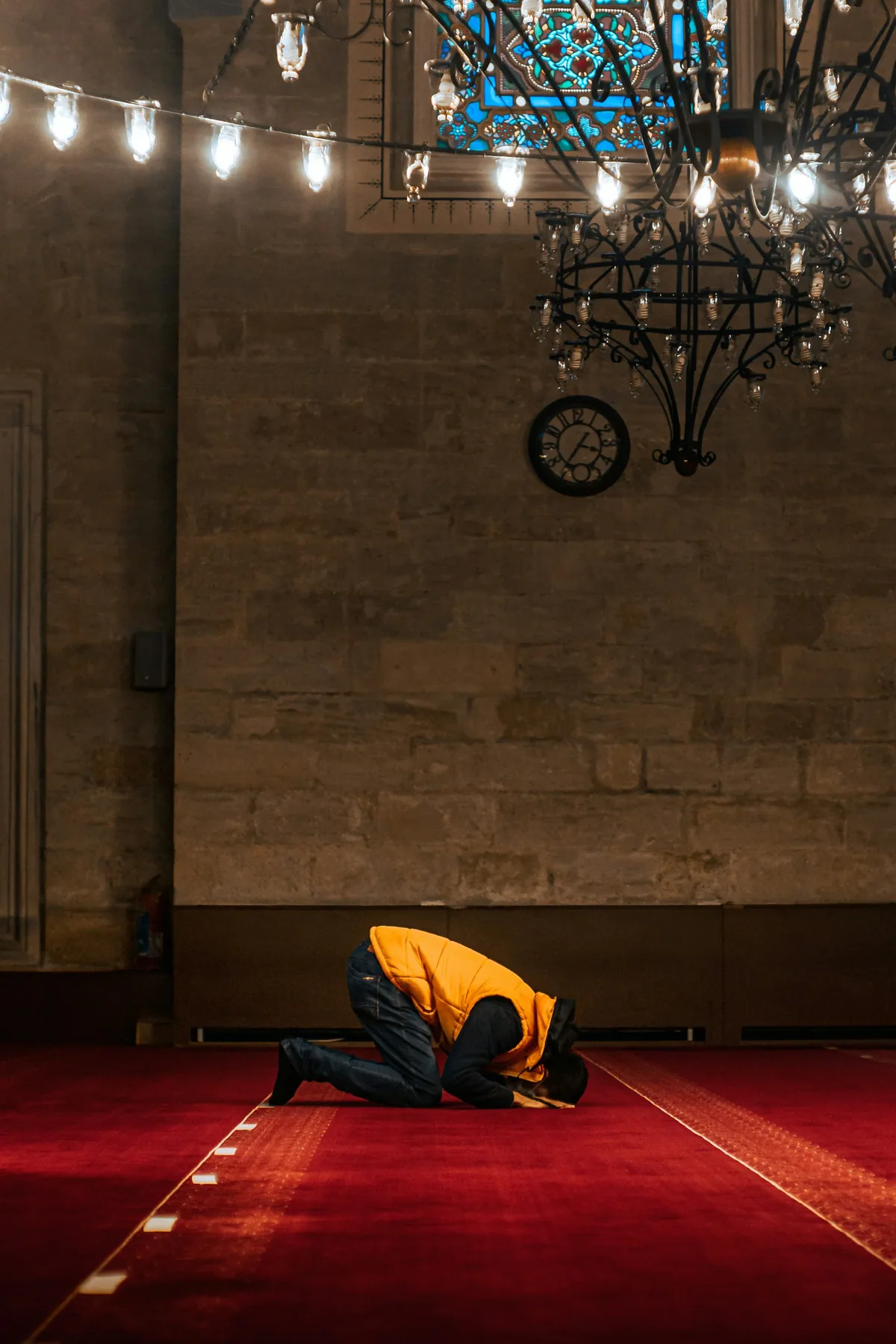
Ramadan is the month in the Islamic lunar calendar during which Muslims observe a daily fast from dawn to sunset. The fast is not continuous for the whole month: people eat and drink outside those hours. Prayer, reflection, charity and shared meals also belong to the observance. Describing it only as hunger misses why people regard it as a period of renewal.[1]
The daily rhythm
The Qur’an presents fasting as directed toward God-consciousness and explicitly discusses illness and travel. It connects the month with revelation of the Qur’an and permits eating and drinking during the night. This distinguishes the daily practice from uninterrupted deprivation.[2][3]
Communities can differ over the month’s beginning and ending because of approaches to lunar observation and calculation. Event listings should use dates announced by the host, not assume every Texas congregation observes the same evening. A calendar disagreement is not evidence that people cannot explain their religion.[1]
Not everyone is fasting
An observer cannot know why a person is not fasting on a particular day. Health, travel and other circumstances may matter, and religious exemptions are subjects on which people seek guidance. A coworker does not owe the office a medical history or account of personal observance to avoid judgment. Do not infer practice from appearance or lunch choices.
Someone considering fasting with a medical condition needs individualized medical advice and, where desired, qualified religious guidance. This is a description of worship, not a recommendation about fasting safety or medication. General religious information cannot decide those matters for a particular person.
What a neighbor can know
Iftar is the meal at sunset; suhoor is commonly the meal before dawn. An invitation may include food and prayer, so ask about timing rather than treating sunset as a flexible reservation. Hospitality is an opportunity to share an occasion, not a demand that guests adopt the fast.
At work or school, practical questions may concern scheduling, ordinary breaks or a midday food event. Ask what would help instead of assuming. Some people want an adjustment; others do not. Actual policies and applicable law matter more than colleagues’ judgments about religious authenticity.
Beyond the annual caricature
Ramadan coverage need not choose between exotic spectacle and a lesson in suffering. Grocery shopping, study schedules, a restaurant’s evening preparations or volunteers arranging meals can make the subject concrete. Participants should explain what matters to them rather than serve as illustrations of a preconceived narrative.
The month’s ethical dimension also concerns speech and conduct, not merely appetite. A person describing restraint may mean patience in conflict, attention in prayer or responsibility toward others. These accounts should be attributed as explanations of practice, not converted into unmeasured claims that fasting improves everyone’s character.
Ramadan is not evidence of extremism, and breaking a fast is not proof of deficient belief. Those interpretations make a calendar into a loyalty test. The more useful question is how a practice shapes someone’s day and commitments. For many Texans, the answer begins at home, at work and around a shared table.