Faith explainer
What Sufism Is—and Why It Is Not a Separate, Less Muslim Religion
Sufi traditions emphasize remembrance, character and inward discipline. Their diversity matters more than the familiar shorthand of poetry and whirling.
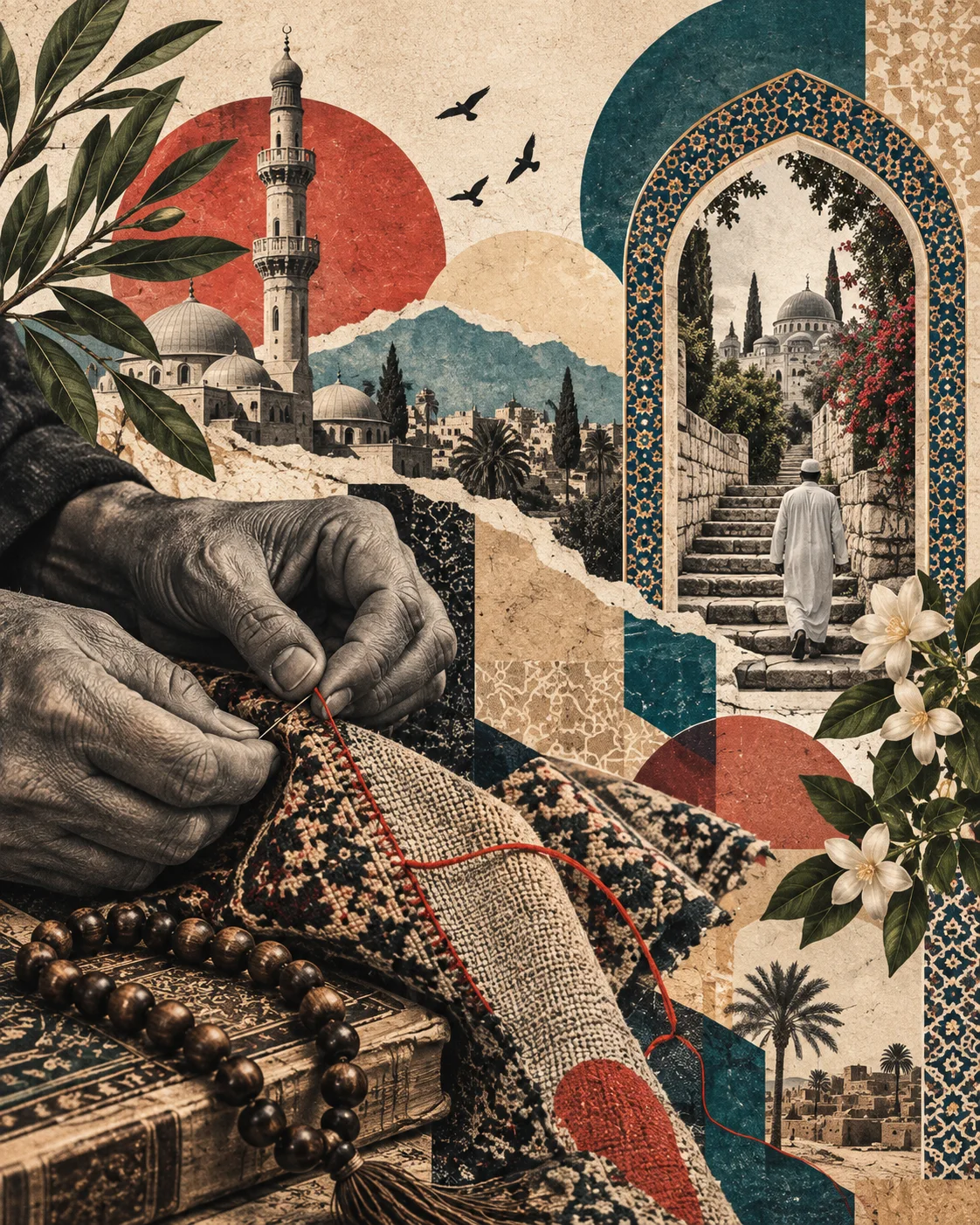
Sufism, often called tasawwuf, describes traditions of spiritual cultivation within Islam. Love of God, remembrance, disciplined attention and the transformation of character are central themes. It is not accurately described as a separate religion that becomes acceptable by ceasing to be Muslim.[1]
For a beginner, that is more useful than a gallery of poetic quotations with their religious setting removed. A beautiful line can invite attention. It cannot, on its own, explain the practice, community or understanding of God from which it emerged.
The inward life belongs to the religious life
The Harvard Pluralism Project describes Sufism as an interior stream of Islamic devotion, with communities and lineages that developed different forms of guidance and practice. Its account does not make Sufism simply a third denomination alongside Sunni and Shi‘i Islam.[1]
That distinction helps avoid a common mistake. Describing one group’s inward emphasis does not establish that other Muslims lack an inward life. Nor does belonging to a Sufi order tell us every detail of a person’s law, theology or politics. The label introduces questions rather than answering all of them.
What remembrance means
Dhikr is remembrance of God. Qur’an 13:28 associates remembrance with reassurance of the heart. In devotional practice, remembrance may involve recitation, silence or forms of collective participation. A field account of a Sufi gathering can illuminate one practice without making it universal.[2][3]
Rhythm, posture or shared phrases can look unusual when separated from explanation. The useful question is what participants understand themselves to be doing. Atmosphere is not a sufficient account of belief. Neither admiration nor discomfort replaces asking about the actual practice.
Our dhikr entry supplies the vocabulary, while salah distinguishes the prescribed prayers. A person can practice remembrance without belonging to a particular order. Related practices do not always have identical institutional boundaries.
Character is not a decorative theme
A claim to spiritual refinement should have consequences for how someone treats others. That is an ethical question readers can understand even without sharing the theology. Humility used merely as a flattering description of oneself would miss the point of examining the self.
Qur’an 25:70–71 connects repentance with faith and changed action. Reading that alongside the language of inward cultivation provides a basis for discussing spiritual return as something more demanding than an attractive identity.[4]
It also leaves room to scrutinize institutions. A teacher’s charisma does not answer questions about money, boundaries or treatment of students. Respect for a practice should not make ordinary accountability disappear. Theological authority and demonstrated conduct remain distinguishable.
Poetry, philosophy and disagreement
Sufi traditions have produced poetry, philosophical argument and devotional literature as well as communal practices. Scholarship on Islamic mysticism shows substantial intellectual variety; it is not one uniform doctrine hidden behind different ceremonies.[5]
The advanced discussion of Ibn ‘Arabi in our essay on Word and spiritual example belongs within that distinction. It describes a particular line of thought, not a creed every Sufi or every Muslim must affirm. Naming the thinker and the interpretive setting helps readers know exactly what is being compared.
A Texas beginning
A local introduction should start with a real community’s own description and a visit arranged on its terms, not a guessed label assigned from music, clothing or architecture. The associations directory is a route toward public institutional information, not an endorsement of any teacher’s spiritual claims.
There is no need to make Sufism less Muslim to make it intelligible. Its questions are recognizable: how to attend, how to love, how to change, and how to keep devotion from becoming a form of vanity. The religious vocabulary gives those questions a particular shape. Understanding that shape is more rewarding than stripping it away.