Research
Islamic Art in Houston: The MFAH, Afshar and al-Sabah Collections
Six galleries bring together museum holdings and loan collections, making the history of collecting part of the story visitors see.
.jpg)
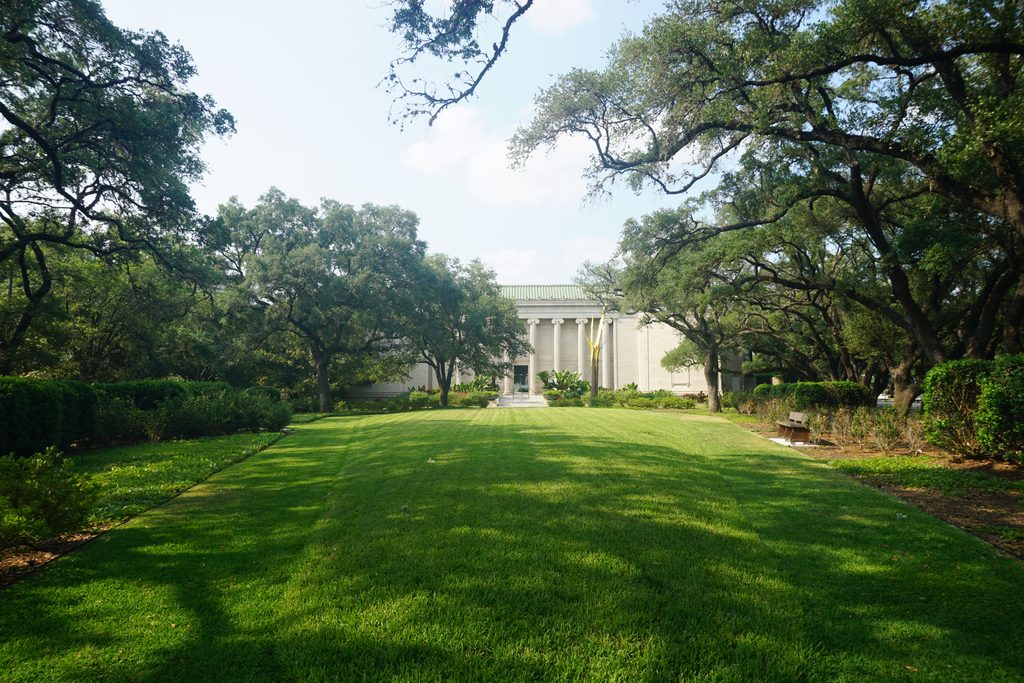
The Museum of Fine Arts, Houston presents the Art of the Islamic Worlds through a combination of its own holdings and extended loans. Its gallery account traces the initiative to 2007 and dedicated gallery space to 2012; the present description identifies six galleries across nearly 6,000 square feet in the Caroline Wiess Law Building. The Hossein Afshar and al-Sabah collections form distinct parts of that arrangement. [1]
What a museum displays and what it owns are not always the same thing. A long-term loan can shape a visitor’s understanding of a museum for years without transferring ownership of the objects. Naming the collections is therefore more than donor etiquette: it helps readers follow the histories of collecting, stewardship and exhibition.
Three strands in one museum
The MFAH’s gallery description brings its holdings together with Iranian works from the Afshar Collection and works associated with the al-Sabah Collection. Its thematic organization includes the arts of the book and the movement of blue-and-white ceramic traditions between China and Iran. This is a framework for following relationships among objects, rather than treating every work as an example of a single timeless style. [1]
An earlier al-Sabah exhibition, dated January 2013 through December 2014 on the museum’s archive, presented sixty objects spanning the 8th through 18th centuries. That historical exhibition page describes a particular presentation; it should not be read as the current gallery checklist. [2]
Books as objects, images and sound
Sea of Ink, Forest of Pens, shown from June 28, 2025 to June 21, 2026, focused on Qur’an-related works from the Afshar Collection alongside contemporary responses. The exhibition account included Pouran Jinchi’s Tajvid (Red 2), 2009, and Haji Noor Deen’s Ayat al-Kursi Scroll, 2015. Those juxtapositions connected manuscript history with later artistic approaches to script, recitation and the visual organization of sacred text. The exhibition has ended; its documentation remains useful for research. [3]
Houston’s museum collections and its Islamic Arts Society offer different encounters with artistic practice. One follows collecting and exhibition; the other organizes living artists, demonstrations and public events. Neither should be reduced to a decorative supplement to a demographic account of the city.
For a Texas comparison, the Keir Collection history follows another long-term loan arrangement in Dallas. Together, the two accounts make museum infrastructure a visible part of the state’s Islamic cultural landscape while keeping the institutions and ownership histories distinct. The Houston guide places the museum among the city’s wider institutions.
Sources
- 1Galleries: Art of the Islamic Worlds — Museum of Fine Arts, Houston · retrieved 2026-10-03
- 2The al-Sabah Collection (exhibition archive) — Museum of Fine Arts, Houston · retrieved 2026-10-03
- 3Sea of Ink, Forest of Pens: The Art of the Qur’an in the Hossein Afshar Collection — Museum of Fine Arts, Houston · retrieved 2026-10-03