Research
Rice’s TIMEA archive: reading Middle East travel records
Houston holds a collection of travel narratives, maps and images. Its Western perspective belongs in the interpretation.
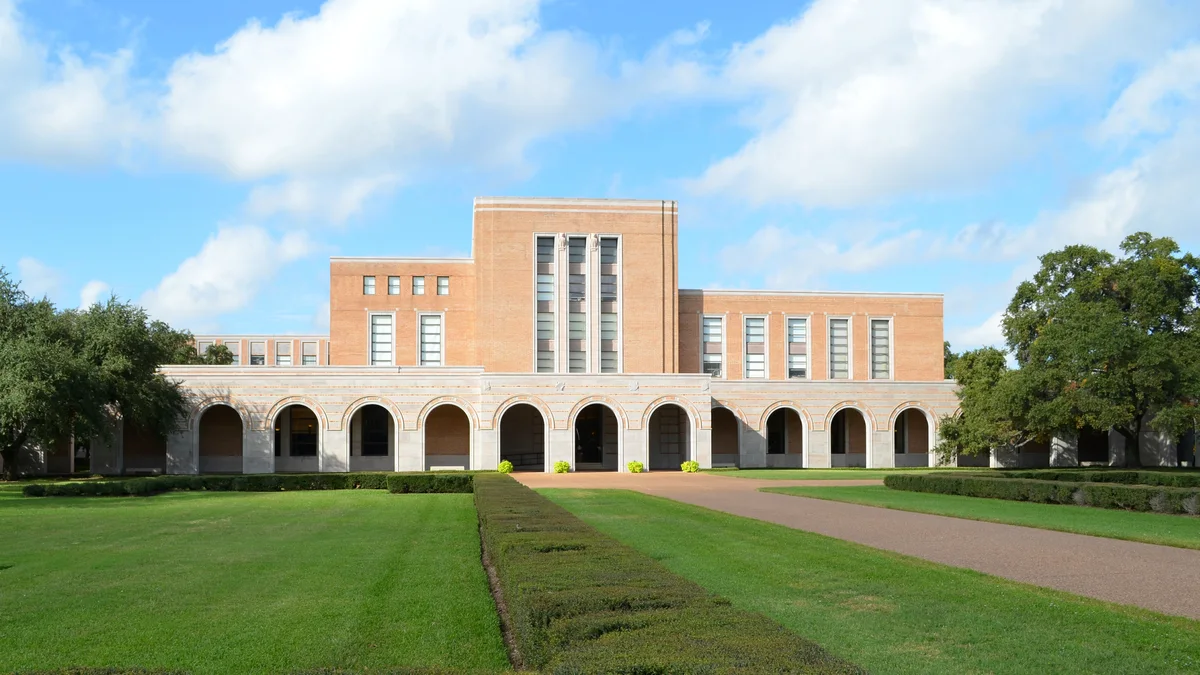

Houston is home to an archive that can help readers study how Western travelers encountered and represented the Middle East. Rice University’s Travelers in the Middle East Archive, known as TIMEA, brings together travel texts, visual material and maps. It is a research resource connected to a Texas university, not evidence that the people depicted were Texas residents. [1] [2]
Two related ways into the material
The Woodson Research Center describes a physical collection of travel guides, narratives and images as MS 585. Its finding aid identifies material including postcards, photographs, stereographic views, guidebooks, maps and souvenirs, with a particular emphasis on travel to Egypt in the nineteenth and early twentieth centuries. [1]
Rice’s digital TIMEA collection provides an online route into related materials. Start with the collection page, then preserve the individual item’s title, creator, date and record URL when making notes. The digital project and physical holdings are related, but should not be assumed to contain exactly the same items in the same form. [2]
Read the viewpoint as part of the evidence
A travel narrative records what its author chose to describe. A photograph has a maker, a setting and a purpose. A caption may say more about a visitor’s expectations than the people in the scene. Ask who produced the item, for whom and under what circumstances before using it to explain a religious practice or a place.
Compare different types of material when possible: a map, a guidebook’s instructions and an image of the same location may answer different questions. Do not assume that a historical traveler’s label establishes someone’s faith, ethnicity or personal identity. These are interpretive questions for research, rather than conclusions supplied by the archive’s name.
Visiting and reproducing
Rice says the physical material is open for research but stored offsite. The finding aid directs requests to woodson@rice.edu or 713-348-2586, and says permission to publish collection material must be obtained through Woodson. A digital preview does not establish that every image in the collection carries the same reproduction permission. [1]
Before sharing a scan, inspect the item’s rights statement and ask the repository about the intended use. Keep the repository citation and any applicable credit with the reproduction. The library photograph accompanying this guide identifies the place holding the resource; it is not an archival image taken from TIMEA.
For a local interfaith-event record, use the Boniuk archive guide. The Texas Muslim archive connects readers with other historical resources, while the Houston Islamic-art guide addresses a museum collection with a different purpose.
Sources
- 1Travelers in the Middle East collection, MS 585 — Woodson Research Center, Rice University · retrieved 2026-10-05
- 2TIMEA: Travelers in the Middle East — Rice University Digital Collections · retrieved 2026-10-05