Research
Community Clinics in Houston and North Texas: Where to Begin
Selected providers describe affordable care, but appointments, eligibility and services belong to each clinic—not to a blanket promise on a directory.
Research: Texas Muslim · Founder and editor: Omar Afra
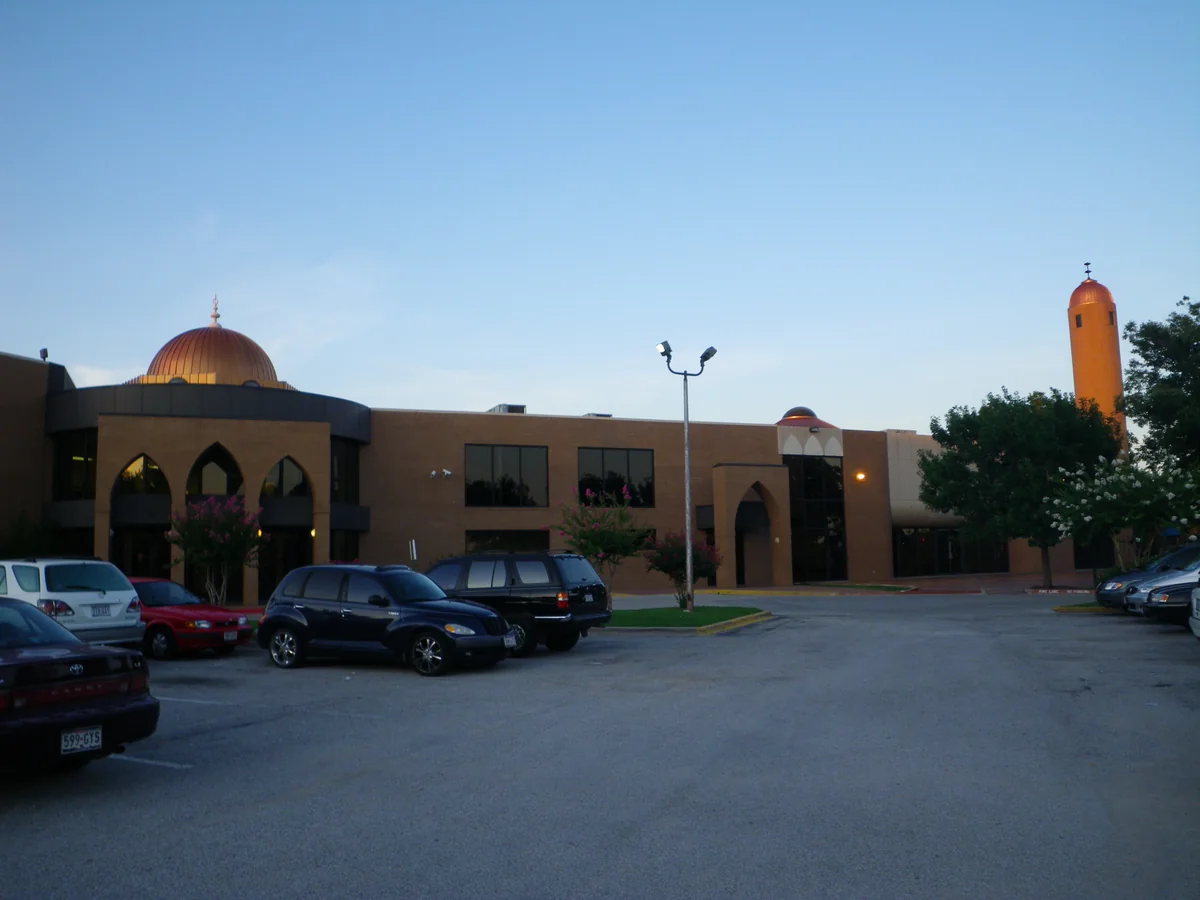

Historic exterior, not a photograph of the clinic interior or its patients.
A useful healthcare directory should help someone take the next step. It should say who provides care, where the provider publishes current information, and what still needs to be confirmed before a visit. Calling every community clinic “free” may sound helpful, but it can leave a patient unprepared for eligibility rules, appointment requirements or services offered only at certain locations.
This guide covers three providers documented through their own public information. It is a starting point for arranging care, not a clinical recommendation, a quality ranking or an exhaustive list. The focus is access: what the organizations actually say they offer and how a reader can reach the appropriate source.
Houston: Shifa
Shifa Healthcare & Community Services describes affordable medical, dental and social services for low-income people, including uninsured and underinsured patients. Its public site is the appropriate starting point for current contact and appointment information. “Affordable” should not be silently rewritten as “every service is free,” and one program’s eligibility rules should not be assumed to cover every other service.
Before booking, ask about the visit type, expected charges, required documents and whether the requested service is currently available. That conversation is more useful than a directory badge that hides the conditions behind a reassuring adjective.
Houston: Ibn Sina / Avicenna
The Ibn Sina / Avicenna Foundation’s institutional account dates its Houston beginnings to 2001 and describes affordable community care. Its location information should be used to match the service a patient needs with the correct center. A multi-location provider is not a guarantee that every location offers the same appointments.
The name of an institution is also not a demographic survey. This guide does not infer the religion of its staff or patients, or make religious affiliation a condition of using a listed service. The provider’s published access rules—not an assumption about its name—are what matter to someone seeking care.
Richardson: IANT Community Medical Clinic
IANT describes a volunteer-run clinic that began in November 2000 and serves low-income patients in the Dallas–Fort Worth area, including Muslims and non-Muslims. Its page specifies appointments. Readers should consult the clinic directly about availability, suitability and any requirements before traveling.
The accompanying photograph shows the historic exterior of Dallas Central Mosque at IANT. It identifies the institutional setting; it is not an image of a treatment room, a patient or a particular clinician. The association profile explains the wider organization without turning its entire service list into a claim about the clinic.
Keep the practical details close
When contacting any provider, confirm the address for the specific service, whether an appointment is required, the documents to bring, fees and any assistance rules. Do not send medical details to Texas Muslim through a directory-correction form. Use the provider’s own secure process for patient information.
The Houston and DFW guides place these services alongside other community institutions. A date-checked link is useful; a guaranteed appointment is something only the provider can offer.
Sources
- 1IANT Community Medical Clinic — Islamic Association of North Texas · retrieved 2026-10-04
- 2Shifa Healthcare & Community Services — Shifa USA · retrieved 2026-10-04
- 3About Us — Ibn Sina / Avicenna Foundation · retrieved 2026-10-04
- 4Locations — Ibn Sina / Avicenna Foundation · retrieved 2026-10-04